
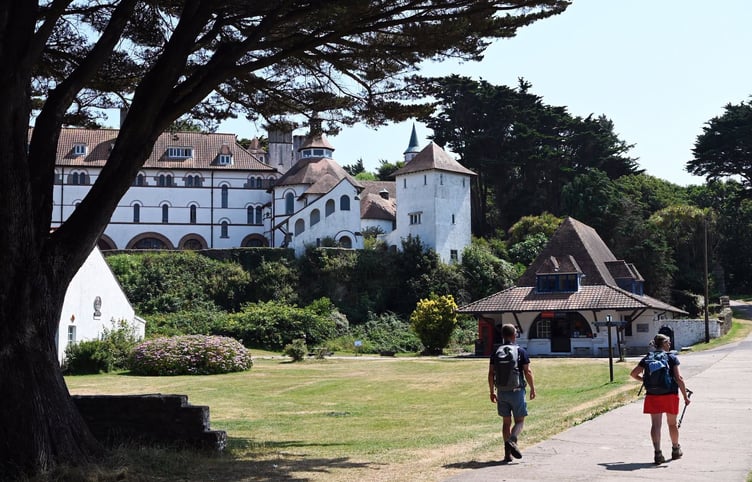
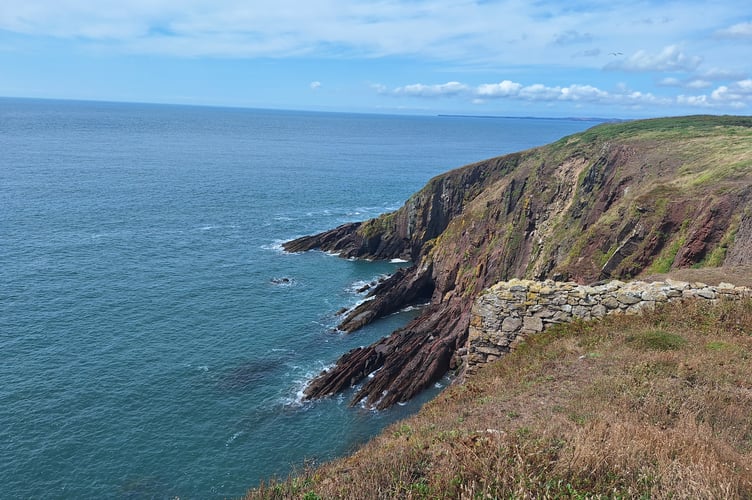
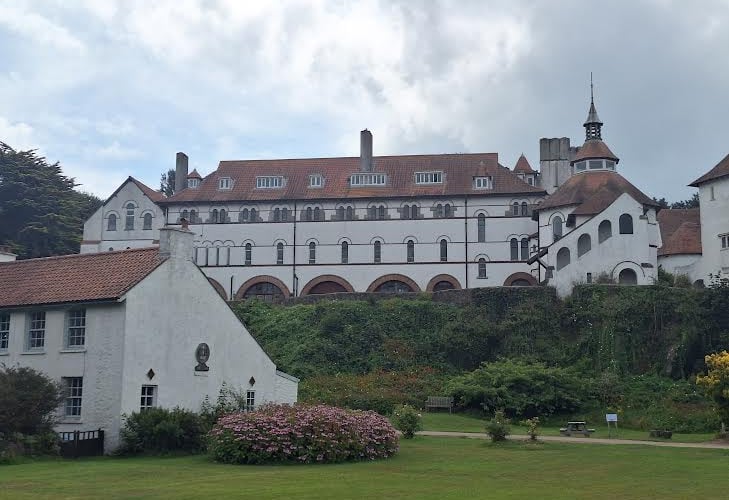
Caldey Island has released a statement expressing ‘profound sorrow’ for the ‘suffering endured by survivors’ following the release of an investigative podcast into allegations of historic abuse at the monastic island. Significant changes made to safeguarding arrangements in recent years at Cadley has been highlighted.
‘Dark Island’ a new eight episode podcast commissioned by BBC Radio Wales explores a series of historic disturbing events within the close-knit community of monks living on the island off Tenby.
Caldey remains a popular destination for visitors and day-trippers.
The series (now available to listen to now on BBC Sounds) is presented by investigative journalist India Pollock, nine years after she first reported on the story for the BBC.
Since then, she has continued searching for answers as to why a series of allegations of sexual abuse and assault involving monk Father Thaddeus Kotik went unreported to the police; how one of Crimestoppers' Most Wanted, Paul Ashton, was able to evade capture while living on the island for several years; and the other unsettling stories buried in the sand of the island's past.
Following the podcast’s release, in a statement, Allison Parkinson, Safeguarding Lead at Caldey Island said: “The testimonies of those who suffered abuse on Caldey Island are deeply moving and painful to hear. We are profoundly sorry for what happened to them, for the terrible suffering they have endured, and for the failures of those who should have protected them.
“Listening to survivors describe their experiences, and the lasting impact on their lives, brings home the devastating human consequences of abuse. These are not simply events from the distant past.
“For those who suffered, the pain, trauma and sense of betrayal can last a lifetime, affecting their families and those they love.
“We are deeply saddened by what we have heard in the BBC podcast. We know that speaking publicly about such painful experiences takes enormous courage, and we are grateful to those who have found the strength to share their stories.


“We also recognise that hearing these accounts may be distressing for other survivors, including those who have chosen not to speak publicly.
“We cannot change what happened, nor can any apology take away the suffering that has been caused.
“But we can acknowledge that suffering, listen with humility and compassion, and accept our responsibility to ensure that the lessons of the past are never forgotten,” she continued.
She went onto say that in recent years, Caldey Abbey has made “significant changes” to its safeguarding arrangements, implementing all the recommendations of the independent review into historic abuse and continuing to examine and strengthen the measures in place to protect everyone who comes to the island.
“Most importantly, we have sought to ensure that survivors themselves have a genuine voice in shaping that work. Since 2024, a survivor has served on the Abbey’s Safeguarding Committee, and both the Abbot and our Safeguarding Lead meet regularly with survivors,” she continued.
“Their experiences, their concerns and their advice are helping us to build a culture in which safeguarding is everyone’s responsibility and the wellbeing of others comes before all else.
“We understand that trust, once broken, is not easily restored. We do not expect survivors to forgive, nor do we ask them to forget. We can only hope that, through our actions, our willingness to listen and our determination to do better, we can begin to demonstrate that things have changed.
“To everyone who suffered abuse on Caldey, and to those whose lives have been affected by that suffering, we offer our heartfelt sorrow. You deserved to be safe. You deserved to be protected. You deserved to be heard and believed.

“We are deeply sorry that you were failed.
“Your experiences will never be forgotten, and your voices will continue to guide our commitment to making Caldey a place of safety, dignity and care for everyone,” she added.
Support can be found at [email protected] and also: https://safespacesenglandandwales.org.uk/
A spokesperson for the ‘Caldey Island Survivors’ campaign also contacted the Observer, following the release of the investigative podcast.
“After seven long years, the campaign has achieved major systemic reform, and I am now 90% satisfied with the protections established on Caldey Island,” they stated.

The campaign states that its documented achievements the last seven years include:
• An Independent Review: the publications of an independent review, conducted by Jan Pickles OBE
• Public Admission: Caldey Island authorities publicly admitted to the abuse on national television and in local and national newspapers
• DBS Mandates: Mandatory DBS checks for all monks, residents, and volunteers. Anyone staying on the island for more than ten days must clear a DBS check, or they are denied entry
• Movement Tracking: any monk leaving Caldey Island must sign off the island and sign back in upon return
• Public Interactions Restrictions: monks are strictly prohibited to interacting with the public during their time on Caldey Island
• Restructured Safeguarding Team: a dedicated team comprising the Caldey Island Safeguarding Lead, Pembrokeshire County Council, Welsh Assembly, the Abbott, myself as also a safeguarding lead on Caldey during summer holidays and two fellow survivors
• Guest House Policy: men and boys are prohibited from staying in the guest house unless accompanied by their partners for a verified family stay
• Therapy Funding: Caldey is currently funding therapy for any survivor who requires it.
The spokesperson continued: “These changes are a result of thousands of hours campaigning, alongside the immense bravery of victims and survivors.
“We are now moving into a charity for past, present and future of children and vulnerable adults abuse.”
Comments
We've recently changed our login process. If you have an account for commenting, you will need to re-register on the login window.
This article has no comments yet. Be the first to leave a comment.