
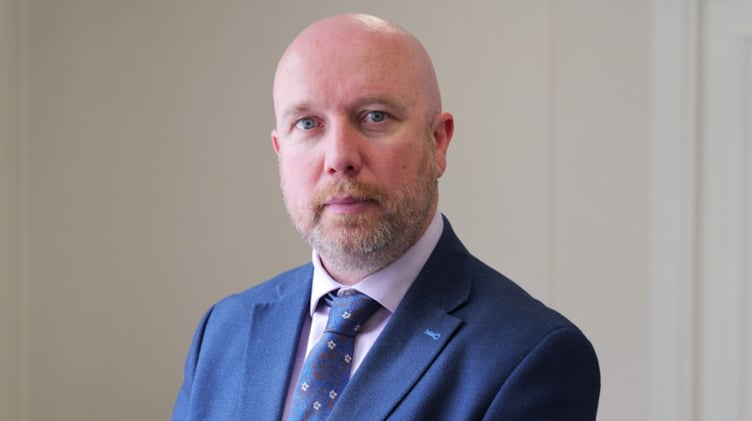
Plaid Cymru says the strategy will be shaped by a formal call for evidence from patients, carers, clinicians, charities and the public as well as working with international partners.
Cancer is Wales' biggest killer and one in two people will be affected by it in their lifetime. However, despite its prevalence in Wales, the performance of cancer services in terms of treatment and outcomes continues to lag behind where it should be.
The Cabinet Minister for Health and Care, Mabon ap Gwynfor, says that a lack of national direction and strategic ambition has compromised the fight against cancer for too long. Today’s announcement changes that.
The development of the strategy will set out an ambitious vision for cancer care in Wales – based on proactively addressing the preventative causes of cancer, boosting rates of early diagnosis and developing optimal pathways of care for all types of cancer from initial diagnosis to end of life care. It will also strengthen accountability and ensure that the postcode a person lives in no longer determines the quality of care they receive.
Working with the European Cancer Organisation and other international partners, Wales will draw on the best international evidence and innovation to ensure the strategy reflects the very latest thinking in cancer care.
Crucially, this strategy will be shaped by those who understand cancer most. A formal call for evidence will be launched giving patients, carers, clinicians, charities, and the public a direct role in shaping Wales' future approach to cancer.
The Welsh Government has already moved to engage the Wales Cancer Alliance who represent more than thirty cancer charities and will work intensively with the NHS and third sector throughout.
The strategy will be published to coincide with World Cancer Day on 4 February 2027.
Alongside the development of the strategy and in line with its First 100 Days Plan, the Welsh Government is also developing Right to Be Forgotten principles to help cancer survivors access financial services. Work has begun on a travel and accommodation fund for children and young people attending cancer appointments and the Welsh Government is commissioning a feasibility study for a new Rapid Diagnostic Centre in Powys.
 Tenby residents face ongoing mobile coverage issues as 4G/5G mast bid is refused
 Paul Davies challenges Welsh Government over West Wales health services
 Carmarthenshire County Council gives update on former Wilko building plans
 Carmarthenshire councillors to visit proposed house of multiple occupation site
Cabinet Minister for Health and Care, Mabon ap Gwynfor said: “For patients waiting too long for diagnosis, for families in rural communities who face greater barriers to care, and for the clinicians working hard to deliver world-class treatment with insufficient national coordination, this strategy matters.
“Wales has not introduced a national cancer strategy since 2006. In the two decades since, treatments have transformed, diagnostic technology has advanced, the needs of our population have changed, and our understanding of cancer has deepened dramatically.
Comments
We've recently changed our login process. If you have an account for commenting, you will need to re-register on the login window.
This article has no comments yet. Be the first to leave a comment.