
When Chris Towers boarded a flight from Birmingham Airport with his wife, Libby, in April 2025, they were looking forward to a holiday together.
Instead, within minutes, Libby watched her husband collapse from a sudden cardiac arrest in the departure lounge.
Over the next few terrifying moments, Chris's heart stopped four or five times as members of the public fought to save his life.
"I watched my husband die several times," Libby later said.
Today, Chris is alive because people nearby knew what to do.
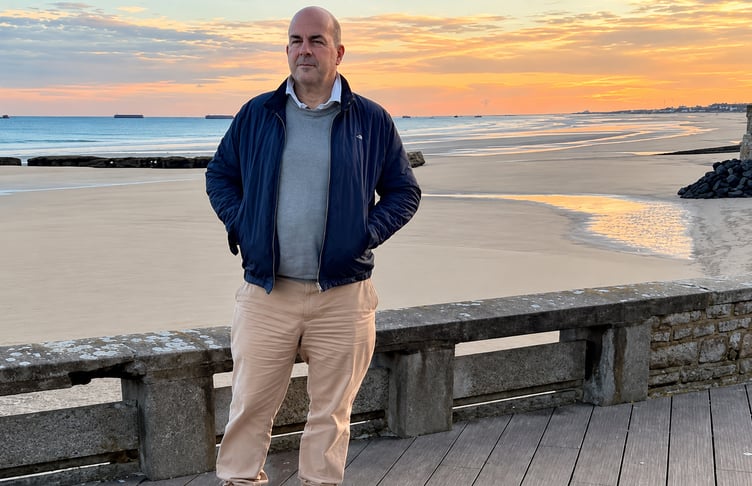
As Calon Hearts marks Restart a Heart Day on 16 October, the charity is urging people across Wales to learn CPR and understand how to use a public access defibrillator, because no one knows when they might become the difference between life and death.
Every year, thousands of people suffer an out-of-hospital cardiac arrest. Without immediate CPR and, where available, access to a defibrillator, the chances of survival reduce dramatically with every passing minute. But when people act quickly, survival rates can double or even triple.
For Libby, the experience didn't end when Chris left hospital.
Determined to better understand her own heart health and encourage others to do the same, she later booked a heart screening with Calon Hearts.



Her message is simple.
"I'd urge anybody to take up this wonderful opportunity offered by Calon Hearts."
For Sharon Owen, Founder and Chief Executive of Calon Hearts, Chris and Libby's story perfectly illustrates why the charity's work extends far beyond screening.
"Cardiac arrest can happen to anyone, anywhere and at any time. Chris is alive today because people around him had the confidence to step forward and start CPR. That's exactly why Restart a Heart Day matters.
"Every person who learns CPR, every community that installs a defibrillator and every young person who comes for a heart screening, is helping create a future where more families get the second chance that Chris and Libby were given."
To date, Calon Hearts has trained almost 605,000 people in CPR, screened almost 38,000 hearts and helped place more than 37,000 defibrillators into communities across the UK.
This Restart a Heart Day, the charity is encouraging schools, businesses, sports clubs and community groups to learn CPR, locate their nearest public access defibrillator and start conversations about heart health.
Because when someone's heart stops, they don't need a hero.
They need someone who knows what to do.
What to do if someone collapses
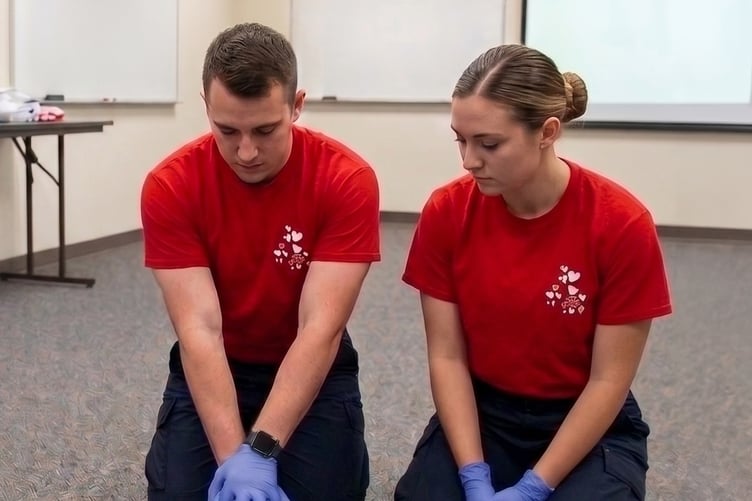
If someone is unresponsive, call 999 immediately and put your phone on speaker. The ambulance call handler will help you check whether they are breathing normally and tell you what to do so put your phone on speaker so you can hear them.
If they are not breathing normally, start CPR straight away. Push hard and fast in the centre of the chest at a rate of 100–120 compressions a minute. If you haven't been trained to give rescue breaths, continue with chest compressions.
If someone else is there, ask them to find the nearest defibrillator (AED) while you continue CPR. The 999 call handler can help locate one. Anyone can use a defibrillator – switch it on and follow its instructions. Continue CPR until the person shows signs of life or the ambulance service tells you to stop.
For more information about heart screenings and making a donation, visit calonhearts.org .
Comments
We've recently changed our login process. If you have an account for commenting, you will need to re-register on the login window.
This article has no comments yet. Be the first to leave a comment.