

The Welsh Government is working with partners to build a transport network that can withstand future climate pressures and best serve the people of Wales, it was announced today.
Speaking in the Plenary on Tuesday, October 13, the Plaid Cymru Deputy Minister for Transport, Mark Hooper, said: “Climate change is already affecting Wales, with hotter, drier summers, milder and wetter winters, sea-level rise, and increased risks of flooding, drought and wildfire.
“Working with our partners, we are taking practical action to build a transport system that can withstand future pressures and continue to serve the people of Wales.
“We cannot prevent every disruption caused by extreme weather - but we can be better prepared, more resilient and more responsive.
“People rightly expect transport services to be there when they need them and we have a responsibility to make sure our network is ready to cope with a changing climate.”
This summer's extreme heat caused some trains to be withdrawn due to cooling-system problems, led to speed restrictions, and placed pressure on bus services, roads and active travel routes.
In response, Transport for Wales is working with Network Rail to strengthen its maintenance and inspection regimes, improving the reliability of train cooling systems, and introducing enhanced weather monitoring so disruption can be reduced before it affects passengers.
On buses, officials are working with Transport for Wales as part of bus franchising to factor in flooding, overheating, severe weather and energy resilience, so that as fleets are renewed, passengers and drivers benefit from newer vehicles better able to cope with extreme weather.




On the Strategic Road Network, lessons from recent storms, floods and heatwaves are shaping how roads are managed and maintained, helping Wales become better prepared for future disruption.
Ahead of winter, salt and grit stocks are being monitored across the country, and resilience and adaptation training is being rolled out across all 22 local authorities to help manage flooding, landslips and storm impacts on the wider road network.
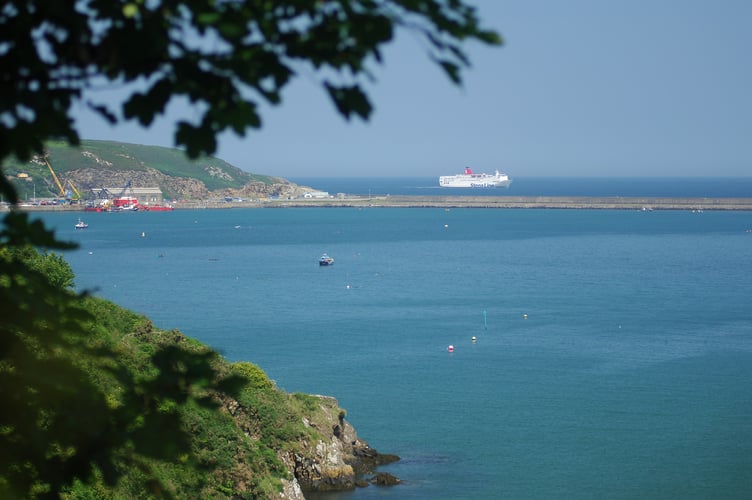
Wales's major ferry ports, Holyhead, Fishguard and Pembroke Dock, provide vital international connections for people and goods. The prolonged disruption at Holyhead in December 2024 demonstrated how important our ports are to communities, businesses and the wider Welsh economy, and how quickly disruption at one strategic gateway can have wider consequences.
The Irish Sea Taskforce was established in response, to consider how a similar incident could be avoided and how partners should respond if one occurred at any Welsh port.
Future transport policies aim to deliver networks that are both resilient and low-carbon, investing in infrastructure that can withstand future climate pressures while supporting the transition to net zero.

Lessons from recent extreme weather events are informing planning so that future investments are better prepared for the climate conditions expected in coming decades.
This applies across transport investment programmes, including rail, bus, Metro and road infrastructure.
A resilience exercise is being prepared over the coming months, with partners on both side of the Irish Sea, focussing on an unforeseen Welsh Port closure scenario.
Comments
We've recently changed our login process. If you have an account for commenting, you will need to re-register on the login window.
This article has no comments yet. Be the first to leave a comment.