
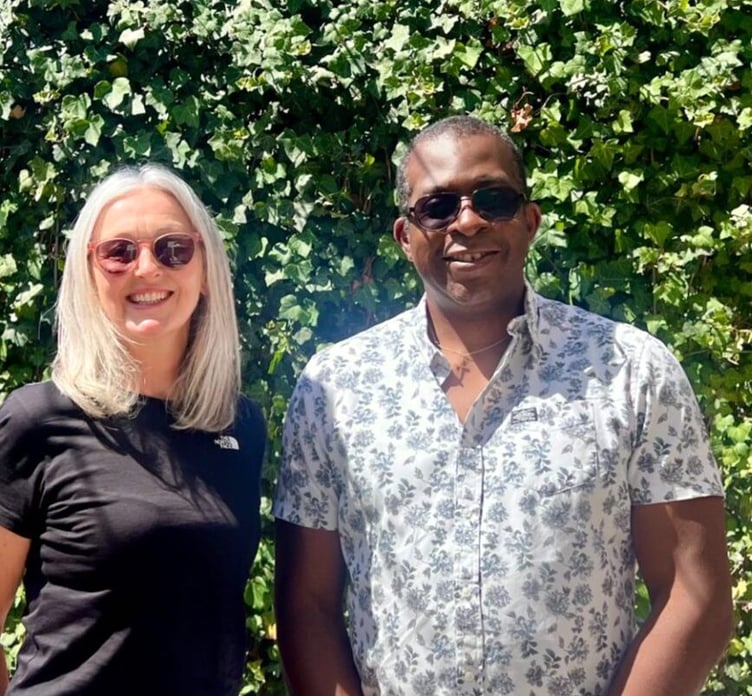
A Narberth-born neuroscientist has been recognised by Imperial College’s innovator programme.
Dr Julia Jones, Founder of Holidity, along with Oke Eleazu, Chair of Holidity, are using a new coaching model to crack the behaviour change challenge.
Dr Jones, who is now London-based, began exploring why health habit programmes struggle to create lasting behaviour change after questioning why growing numbers of diet, fitness and wellbeing programmes have not translated into improved population health outcomes.
The question was also personal. Julia lost both parents suddenly to preventable, lifestyle-linked illness and wanted to understand why existing approaches were often failing to deliver lasting results.
In 2019, after raising investment and launching Neuron Wellness, trading as Holidity, she initiated research and development work to investigate the issue further.
“It troubled me that as a sector, we’re continuing to use flawed coaching models and digital health apps that most people drop out of long before their brain has had a chance to biologically embed a behaviour that will last forever,” explained Dr Jones.
Holidity is a platform designed to support behaviour-change programmes through combining scalable daily human accountability with a technology platform and WhatsApp delivery.
This was based on Holidity’s R&D which repeatedly identified the same pattern: many people struggle to maintain new behaviours without regular human support, particularly during the first month of a behaviour-change programme.
The R&D (pending publication) suggested that daily accountability from another person consistently outperformed technology-led reminders alone.
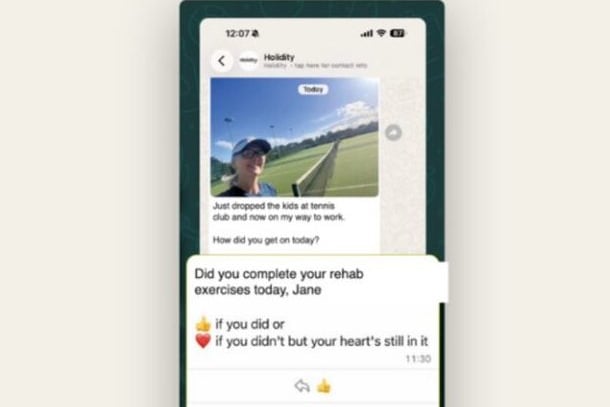


The Holidity platform delivers this vital daily human accountability through personalised daily messages from a human accountability partner sent privately to participants through WhatsApp.
It then records their responses using a simple emoji-based check-in system. Participants receive a weekly check-in score, while programme leaders can monitor progress and tailor engagement through a dashboard.
Alongside WhatsApp delivery, the platform generates AI-powered insights designed to help coaches and programme managers understand participant engagement and improve programme performance. The participant experience itself remains focused on human interaction through WhatsApp.
Historically, delivering this level of human support at scale has been difficult and costly. Holidity reports that organisations across the health and fitness sectors are now adopting this daily human check-in model.
This approach has allowed programmes ranging from weight loss to smoking cessation and mental health coaching to boost engagement and success.
According to the team, the model requires approximately two minutes of coach or practitioner time per day regardless of the number of participants they are supporting; this has reportedly produced higher retention rates than digital health apps while achieving outcomes comparable to in-person programmes.
On the role of Holidity and other preventative health technologies in delivering on NHS priorities, Oke (who is also Chair of Royal Berkshire NHS Foundation Trust) said: “Preventative health isn’t a peripheral concern for the NHS anymore, it’s central to whether the system is sustainable at all.
“We are speaking with colleagues in prehab, weight loss programmes and employee wellbeing where we think this daily check-in model could easily add value and help individuals make progress.”
For more information, visit: Holidity.com
Comments
We've recently changed our login process. If you have an account for commenting, you will need to re-register on the login window.
This article has no comments yet. Be the first to leave a comment.