

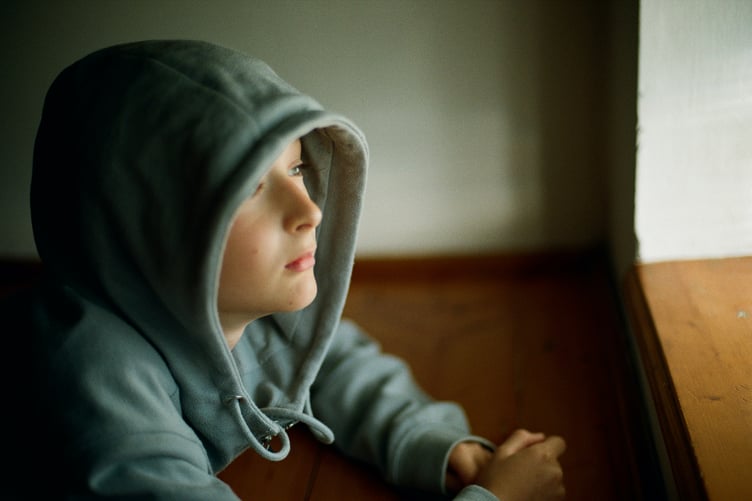
MORE than 135,000 children and young people in Wales are estimated to have a diagnosable mental health condition, according to a new report by Public Health Wales.
The largest increases have been seen in emotional difficulties such as anxiety, alongside a rise in eating disorders and self-harming behaviours. Girls, young people identifying as non-binary, and those from the most deprived communities are disproportionately affected, with symptoms appearing at younger ages and becoming deeply rooted by adolescence.
The findings are set out in the Health Needs Assessment: Mental Health of Babies, Children and Young People in Wales report, which draws on the latest data and evidence to set out the scale of mental health need across all life stages, from the first 1,000 days of life through to early adulthood and makes recommendations for coordinated action across health, education, and wider public services.
The report also estimates that 1 in 6 children aged 8 to 10, 1 in 5 aged 11 to 16, and 1 in 4 aged 17 to 24, have a diagnosable mental health condition. An estimated 1 in 4 girls and 1 in 2 trans or gender-questioning secondary school learners are experiencing low mental wellbeing. Even before the COVID-19 pandemic, mental health problems were estimated to cost the Welsh economy £4.8 billion each year, costs that have risen since.



It also highlights the complex range of factors driving these trends, including child poverty, social inequality, academic pressure, parental mental health difficulties and digital technology, while also pointing to the importance of early relationships, community connection, physical activity and opportunities for creativity as protective factors.
The report emphasises the critical importance of the earliest years of life. Around 25–30 per cent of parent-infant relationships are likely to benefit from support in the first 1,000 days, yet two thirds are unlikely to receive that support before the age of two. Strengthening parent-infant relationships and investing in early years support is both cost-effective and delivers lasting benefits for children's social, emotional and developmental outcomes.
Public Health Wales believes the health and wellbeing of babies, children and young people needs to be prioritised so they can thrive today and shape resilient communities tomorrow.
Simon Jones, Head of Policy and Campaigns at Mind Cymru, said: “We’ve known for some time that children and young people’s mental health services haven’t been keeping up with the level of demand in Wales. Mind Cymru’s own guided self-help programme for 11–18-year-olds has shown that providing support in the right way can be transformational, with 70 per cent of participants experiencing improved wellbeing.”
Dr Jen Daffin, Policy and Campaigns Director at mental health charity Platfform, said: "We need to recognise the impact of trauma, inequality and life experiences on mental health. It’s hard for parents to be at their best for their children when they’re worried about paying bills or keeping a roof over their heads.
“This is how we can turn the tide on the rising levels of mental ill health and protect future generations here in Wales.”
If you are struggling with mental health difficulties - or someone you know is - help and support are available:
NHS 111 (press 2) – for urgent access to a mental health professional, available 24 hours a day, seven days a week, for people of all ages across Wales
CALL Mental Health Helpline for Wales – confidential emotional support and advice, 24/7. Freephone 0800 132 737 or text "help" to 81066. More information at www.callhelpline.org.uk
Comments
We've recently changed our login process. If you have an account for commenting, you will need to re-register on the login window.
This article has no comments yet. Be the first to leave a comment.