
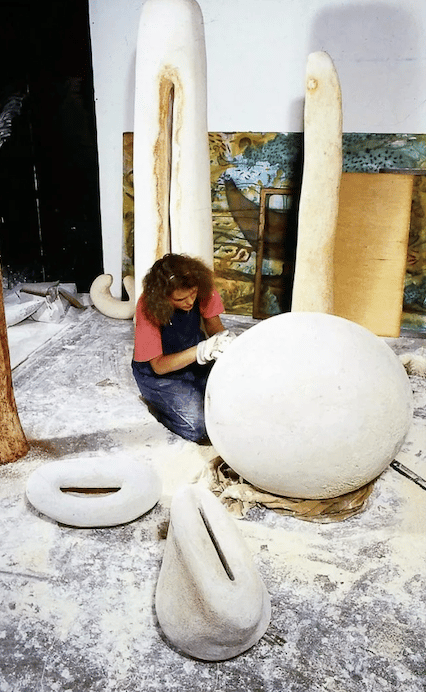
Pembrokeshire sculptor Isobel Kidd has been selected to create a site-specific installation for Wells Art Contemporary 2026, which takes place at Wells Cathedral, Somerset, from October 10 to November 7
Kidd's monumental sculpture, Living Water, has been selected by installation selectors Laura Moffatt, Director of Art and Christianity, and internationally renowned textile artist Alice Kettle.
This year's site-specific installations respond to the theme of Time, with works positioned throughout the Cathedral and its grounds.
Living Water will be installed in the Camery Garden, a particularly significant location because of its relationship with the ancient springs that gave Wells its name.
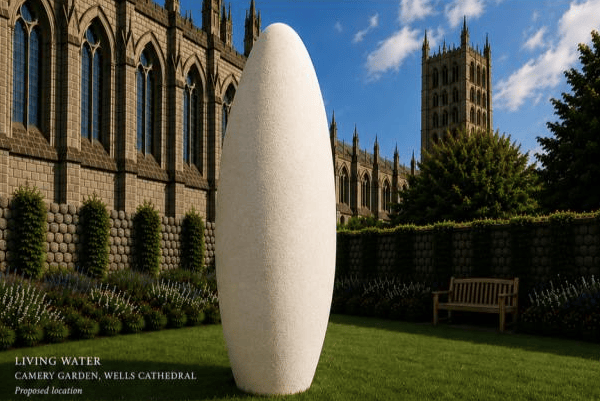
The work grew from Kidd's fascination with water as both a physical necessity and a carrier of geological, historical and spiritual time. Its influences range from the vast underground cisterns of Hagia Sophia in Istanbul to the holy wells and healing springs of Pembrokeshire.
Taking the form of a monumental sealed vessel, the sculpture gives physical presence to something normally hidden: the systems of water that have existed beneath landscapes and sacred places for centuries.
The Wells selection comes at an important moment in Kidd's practice. Her solo exhibition, Forms of the Living Coast, opens at the Isobel Kidd Sculpture Studio & Gallery in Main Street, Pembroke on September 5 and continues until September 30.
Bringing together sculpture, painting, photography and works developed through microscopy and direct engagement with the coast, the exhibition explores the geology, ecosystems and hidden architectures of Pembrokeshire. Central to the work is an interest in scale: taking forms that may be microscopic, overlooked or ordinarily inaccessible and allowing them to be encountered physically.
Kidd is also currently exhibiting her monumental installation Sea Eggs I–IX as part of Art in the Garden at Stackpole Walled Gardens in Pembrokeshire, which runs until August 31.



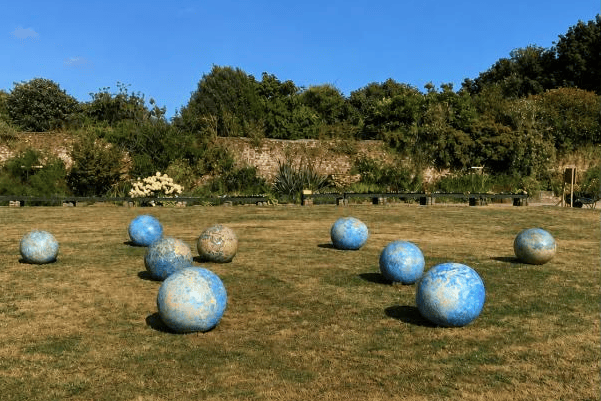
The nine giant sculptural forms originate from the microscopic reproductive structures of Fucus vesiculosus (bladderwrack), found along the Pembrokeshire coast. Enlarged to an unexpected scale and placed within the landscape, they reveal a stage of coastal life that would normally remain almost invisible.
Across these works, Kidd's practice moves between the microscopic and the monumental, giving physical presence to forms, processes and histories already embedded within the landscape but rarely seen.
Comments
We've recently changed our login process. If you have an account for commenting, you will need to re-register on the login window.
This article has no comments yet. Be the first to leave a comment.