
YEAR 4 to 6 pupils from Neyland Community School’s STEM Club visited Manor Wildlife Park at St Florence near Tenby as part of a conservation biology field trip organised by the Darwin Centre.
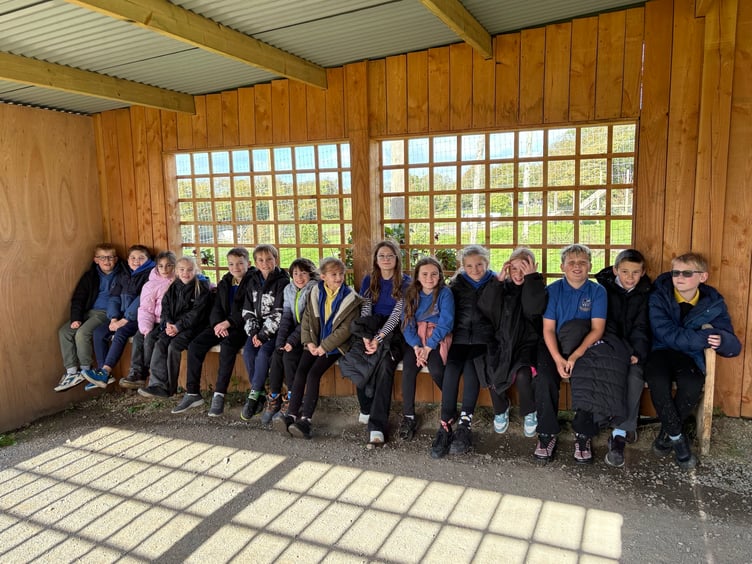
Through practical workshops and educational visits, the Darwin Centre works closely with this group of enthusiastic young scientists with a keen interest in STEM (Science, Technology, Engineering and Mathematics) throughout the academic year. Tailoring sessions to the pupils' interests - with their questions, ideas and enthusiasm helping to shape future activities - allows the group to build on their scientific knowledge, develop new skills and explore subjects that particularly capture their curiosity.
Steve Evans, Conservation Education Officer at Manor Wildlife Park, led a series of engaging talks, sharing his knowledge of animal biology, behaviour and conservation.
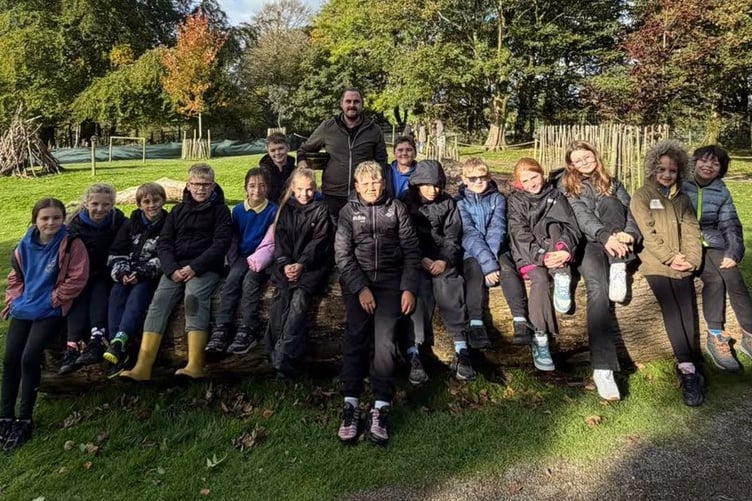
The pupils had the opportunity to get up close to a fascinating variety of animals while discovering how different species have adapted to survive in their natural habitats.
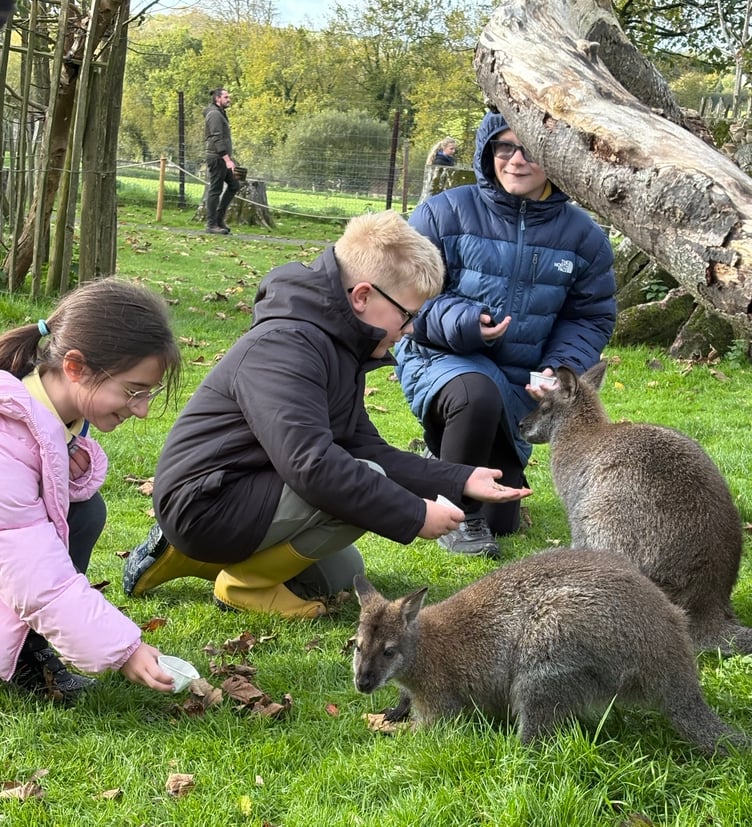
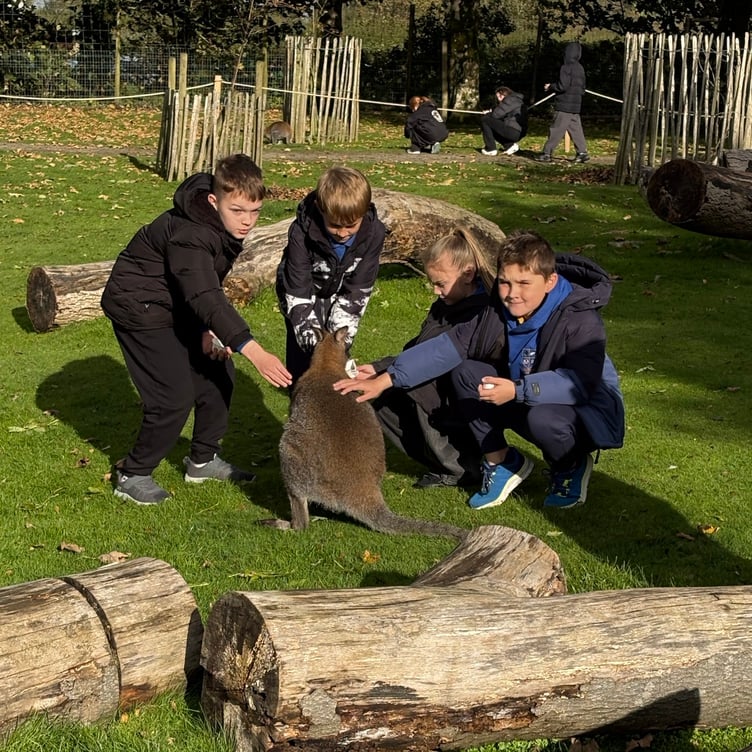
The group began by investigating Bennett's and Parma wallabies, looking at their physical adaptations, natural predators and distinctive methods of movement. Pupils were particularly excited to have the opportunity to feed the wallabies and observe them up close.
At the red panda enclosure, the focus turned to food chains and feeding strategies, exploring how animals are adapted to find and consume food and the important roles they play within their ecosystems.
The meerkats provided another fascinating opportunity to investigate behavioural adaptations, with pupils observing how these social animals interact, communicate and work together to stay safe from predators.

The group also encountered tigers and enjoyed exploring the park's walk-through lemur enclosure, gaining a greater appreciation of the diversity of animal life and the importance of protecting species and their habitats.
The visit encouraged pupils to think about the challenges facing wildlife around the world, including habitat loss and the importance of conservation programmes in protecting endangered species.
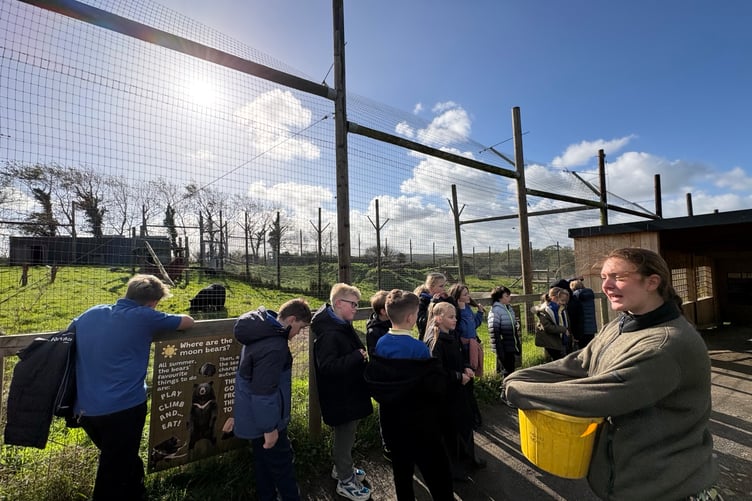
When asked about their favourite part of the day, the pupils had plenty to say! One particularly enjoyed the wallabies "because they were so cute", while another loved being able to feed them. For one pupil, seeing the tigers was a real highlight, explaining that it was "the first time I've ever seen them!"
Perhaps the biggest endorsement of the day came from one enthusiastic young scientist who was so inspired by Steve's work that he announced he would like to take over his job when he grows up!
Noting the pupil’s enthusiasm, Samantha Williams, Charity Manager at the Darwin Centre, said: "Working with the same group regularly throughout the year means we really get to know their interests and can plan activities around the things they are most excited to learn about.
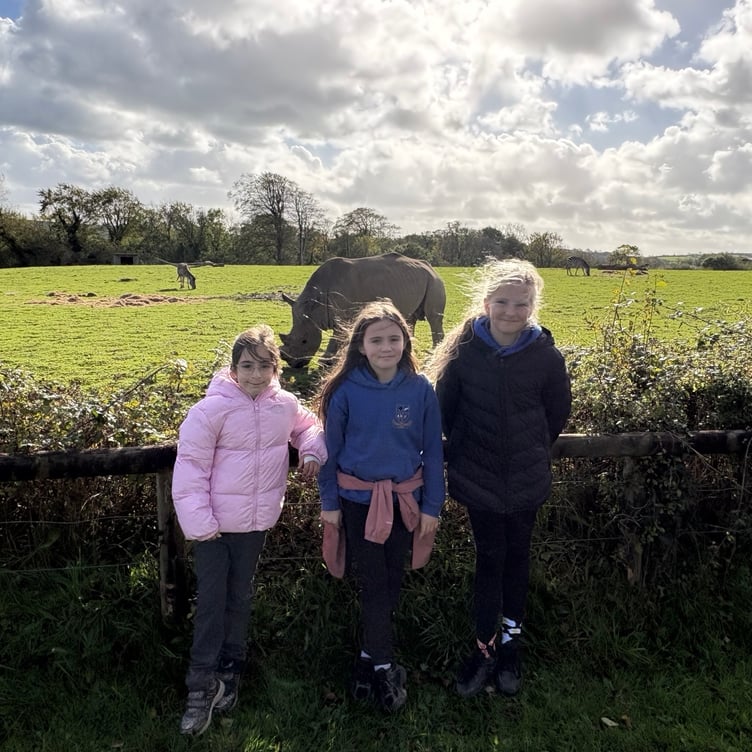
“We're incredibly grateful to Steve and the team at Manor Wildlife Park for sharing their knowledge and enthusiasm.,” she added.
Thanks to Dragon LNG's continued sponsorship since 2005, the Darwin Centre provides free, curriculum-linked STEM workshops and educational field trips to schools across Pembrokeshire, helping young people develop their scientific knowledge, practical skills and enthusiasm for the natural world.
Comments
We've recently changed our login process. If you have an account for commenting, you will need to re-register on the login window.
This article has no comments yet. Be the first to leave a comment.