
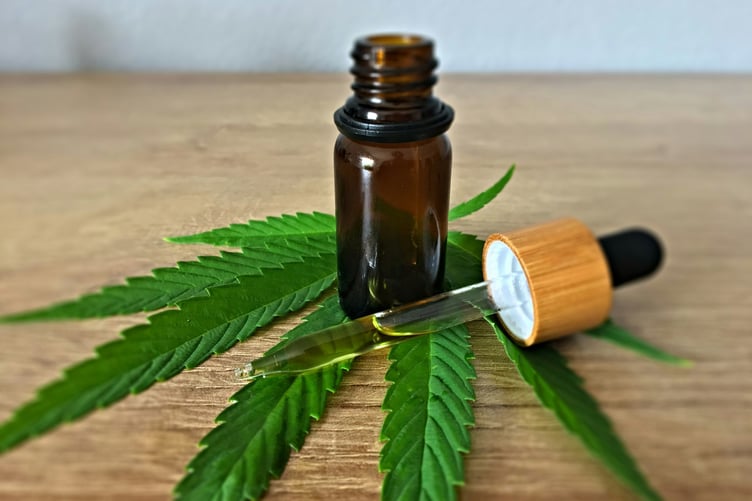
Living in Pembrokeshire can mean travelling farther for specialist care, but medical cannabis treatment does not always require a trip to a city clinic. Remote consultations can reduce travel, while ongoing monitoring gives patients a structured route into treatment, with clinical support continuing well beyond the first appointment at home.
A cannabis case in Carmarthen may make the local news because it ends up in court, but prescribed medical cannabis belongs in a very different setting. For patients in Tenby and across Pembrokeshire, access begins through healthcare, with a specialist assessing whether treatment is appropriate for the individual. Keeping that distinction clear helps separate criminal cases from the medical process patients may actually encounter.
Medical Cannabis Starts With Clinical Assessment
Access to Releaf medical cannabis begins with a consultation with a specialist doctor. The clinician considers the patient’s medical history and current treatment before deciding whether a cannabis-based medicine may be appropriate. A prescription follows clinical judgement rather than a patient simply choosing a product for themselves.
That first consultation sets the medical framework for everything that follows. The specialist is assessing suitability for the individual patient and deciding whether treatment has a place in their care. For someone living in Tenby, the appointment can take place remotely, but the decision itself remains a clinical one made within a specialist service.
The remote format can also make the first stage easier to fit around ordinary life, particularly for patients who would otherwise face a lengthy journey across Pembrokeshire. The medical standards do not change with the location of the appointment; the clinician still has to make the same individual decision about suitability.
Prescription Changes the Legal Context
Cannabis-based products for medicinal use have been available on prescription in the UK since November 2018, when the law changed to allow specialist doctors to prescribe them when clinically appropriate. That legal route is very different from possession or supply outside the medical system.
The distinction is especially useful in West Wales, where cannabis can also appear in court reports and police operations. A prescribed medicine is being used within healthcare under a lawful medical framework; cannabis involved in criminal proceedings sits outside that framework. Keeping those contexts separate avoids treating every reference to cannabis as though it means the same thing.
Distance Does Not Have to Mean Travelling for Care
 Gear up for Christmas: Affordable seasonal hiring solutions for local businesses
 Frights and delights this spooky season with these incredible Halloween events
 Get Christmas Advertising wrapped up with our 13 week Business Accelerator Packages
  How to select the best meet-and-greet parking at every UK airport
For someone living in Tenby or elsewhere in Pembrokeshire, access to a medical cannabis clinic can begin online rather than with a journey to a city-based consulting room. Remote appointments make it possible for patients to speak with clinicians from home, which is especially relevant in parts of West Wales where specialist services may be some distance away.
The practical side continues after the appointment. An online patient portal can give patients a single place to manage elements of their care without treating every follow-up as another travel problem. That makes digital access part of the service itself, particularly for patients living outside major urban centres.
Treatment Needs Monitoring After Prescribing
A prescription is not the end of the clinical process. NICE guidance says treatment with cannabis-based medicinal products should be monitored for both effectiveness and safety, with the dose adjusted when clinically appropriate. That means the clinician continues to assess what is happening after treatment begins rather than leaving the original decision untouched.
Follow-up gives the medical team a chance to review whether the prescribed approach still suits the patient and whether changes are needed. For patients in Tenby and Pembrokeshire, that ongoing review is part of the treatment itself, keeping decisions tied to clinical evidence rather than assumptions made at the first appointment.
Court Cases Belong to a Different Side of the Cannabis Story
A recent Carmarthen case involved 4.54kg of cannabis valued at around £40,000, with the defendant jailed for two years after being caught in a car park. Police also recovered more than £12,700 in cash, placing the case firmly in the world of illegal supply and criminal proceedings.
That kind of story can dominate the public picture of cannabis in West Wales, but it has little to do with prescribed treatment. Medical care is handled through healthcare services and individual clinical decisions, so the context is entirely different from the activity that brings someone before a court.
Keeping Cannabis in the Right Context
For patients in Tenby and across Pembrokeshire, the important point is context. Court cases involving illegal supply belong to the criminal justice system, whereas prescribed medical cannabis sits inside healthcare and is handled through specialist services.
That difference is practical, not theoretical. One route involves arrest and prosecution; the other involves clinical decisions made for an individual patient. Keeping those worlds separate makes the subject easier to understand and avoids allowing crime stories to define medical treatment that operates under a completely different set of rules.
Comments
This article has no comments yet. Be the first to leave a comment.