
A STUDY by Wills and probate experts, David W Harris & Co, of newly published figures from HMRC, released on July 30, 2026, shows that Carmarthen West and South Pembrokeshire saw estates pay a combined £6 million in inheritance tax, at an average of around £157,900 per estate.
The analysis by the firm maps inheritance tax across Wales, constituency by constituency, drawing on HMRC’s most recent figures, for the 2023-24 tax year. It looks at three measures for each area: the number of estates liable for inheritance tax, the total raised, and the average bill per estate.
In Carmarthen West and South Pembrokeshire, 38 estates were liable for inheritance tax, paying a combined £6 million, an average of £157,900 per estate. That compares with a Welsh average of around £156,800, across roughly 982 estates and £154 million in total.
In Ceredigion, 52 estates paid a combined £12 million, an average of £230,800.
The figures show that inheritance tax falls unevenly across Wales, and that the areas affecting the most families are not always those facing the largest bills. Aberconwy records the highest average bills in Wales, at around £387,100 per estate, while Monmouth sees the most families caught, with 64 estates liable. Seen against the rest of the UK, Welsh bills remain comparatively modest: Wales has the lowest average of the 12 UK regions and nations.
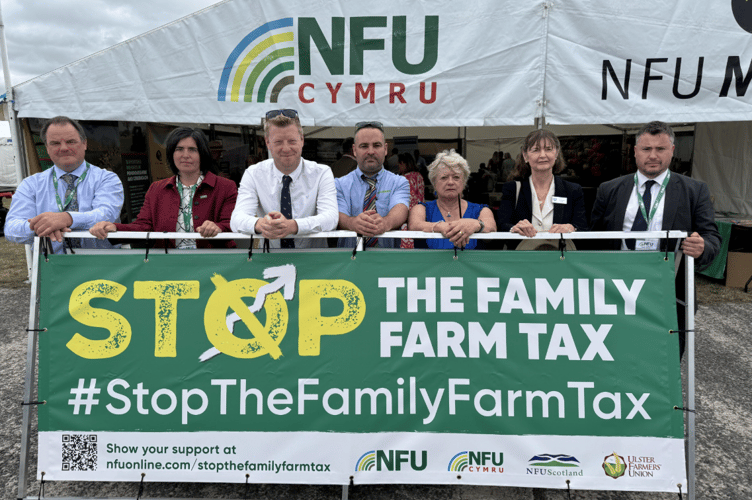
The reach of the tax looks unlikely to shrink while the tax-free threshold stays fixed. The nil-rate band, the point at which an estate starts to attract inheritance tax, has held at £325,000 since 2009 and is set to remain there until 2030. As property prices and savings rise, more estates are gradually drawn in, many belonging to families who would never describe themselves as wealthy. The position has also shifted for those with farms or family businesses, after reforms to agricultural and business property relief took effect in April 2026.
Tom Baker, Partner at David W Harris & Co, said: "Inheritance tax is widely thought of as something that only affects the very wealthy, or families in London and the South East. In our day-to-day work we see that it reaches much more widely than that, and we wanted to put clear, local figures to it so families across Wales can see whether it might apply to them.
"What tends to catch people out is that an estate can look modest but still face a bill once the family home, and any land or business, is taken into account. With the tax-free threshold frozen and the reliefs on farms and businesses now tighter, more families are likely to be drawn in over time, so it is worth understanding where you stand and planning early."

.png?width=209&height=140&crop=209:145,smart&quality=75)


For specialist Wills and probate advice, contact David W Harris & Co at [email protected] or fill in the contact form.
Comments
This article has no comments yet. Be the first to leave a comment.