
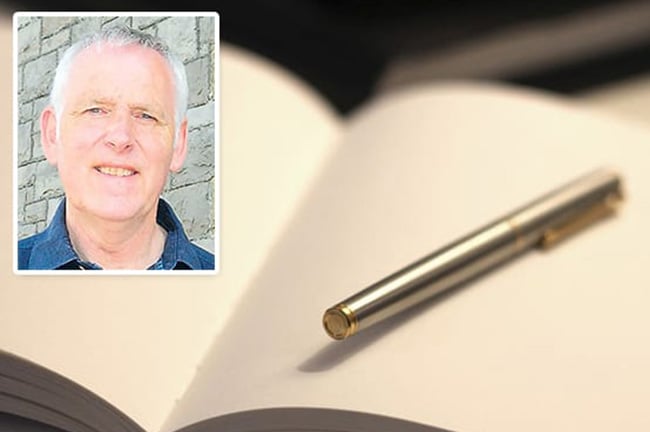
IT was just a brief conversation, but it has remained long in the memory. I was walking past my neighbour’s house a few years ago and noticed the big smile on his face. Yet again!
I finally plucked up courage and asked ‘Roy’ why he always seemed so happy and he replied with three simple words: ‘I woke up’
I found myself smiling too.
I have been fascinated by ‘happiness’ ever since I was given a copy of ‘The 8 Secrets of Happiness’, a brilliant book that introduces the reader to ‘the eight secrets which psychologists have discovered to be the foundations of happiness’. It would seem that learning to count your blessings, practicing acts of kindness and taking care of your body and soul are among the habits that will produce a happier life.
I was reminded of ‘Roy’ when I came across an article written by the chief executive of The Leprosy Mission entitled ‘Can we really think ourselves happy’. As I read it I found myself wondering if ‘Roy’ would be so happy if he had to wake up and face the sort of challenges that confront 16-year-old Halima who lives in a leprosy-affected community in Abuja. Halima is the second of five children all of whom are orphaned. Both her parents had been treated for leprosy, and to make matters worse she was taunted as ‘a leprosy child’. Such was the stigma that she dropped out of school overwhelmed by grief and a sense of hopelessness.
Thankfully her neighbour stepped in because she had been trained through a Leprosy Mission project named ‘Farinciki’ (‘inner peace’) and as a result, Halima began to emerge from her ‘darkness’ as she learned about mental health and ways of managing overwhelming thoughts.
As I read this extremely encouraging story two things stood out for me. Firstly, the fact that we cannot simply think ourselves out of trauma, grief or fear, however hard we try. There will be times when we will need to seek professional help, and we shouldn’t be ashamed to admit that. I quote: “Just as we would never consider physical healthcare a luxury, mental healthcare must not be treated as one either.”
Secondly, we should never underestimate the importance of personal friendships. Again, I quote: “In many communities in Nigeria, as in the UK, the first person someone turns to in a crisis will not be a specialist mental health professional. It may be a family member, a community health worker, a teacher, a religious leader or simply someone else they trust.”

There will be times when it may be necessary to encourage people to seek appropriate medical help then, but we should never forget how helpful it can be to know there are those who care for you and who are willing to listen to you. Given this, it’s worth asking if this is how others see us.
Comments
We've recently changed our login process. If you have an account for commenting, you will need to re-register on the login window.
This article has no comments yet. Be the first to leave a comment.