
Hywel Dda University Health Board has developed plans to manage demand and care for increased numbers of emergency patients over the winter period.
Every year, the health board has to deal with a number of winter pressures such as increased demand for services, potential delays in discharging patients and the impact of severe weather on staff and access to hospitals across a rural area.
To mitigate this, the health board has come up with an action plan to ensure that services continue to run as smoothly as possible while ensuring that patients’ needs continue to be met 24 hours a day.
The plans include:


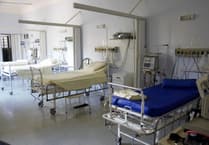
Holding daily meetings between clinicians and managers to plan bed numbers and staffing, and to help discharge medically-fit patients
Planning staffing and beds based on highly accurate daily activity information from previous years to predict activity, with scope for flexibility
Scheduling elective (planned) operations at a level that meets waiting time targets, but which allows enough capacity for emergencies
Partnership working, including purchasing nursing home beds and using residential homes when people no longer require medical care
Enabling the opening of additional beds when needed
Encouraging and providing staff with patient contact, e.g. flu jabs
Peter Skitt, director of acute services, said: “We know it’s going to be difficult, but we will be doing everything we can and I would like to reassure patients that we will prioritise those in greatest need.
“We would ask people to bear with us at busy times – your patience is greatly appreciated. Local communities can also help by making full use of services other than Emergency Departments, where appropriate.”
Local residents can play their part by thinking carefully about how they use their NHS to ensure they find the right service for their individual need, and by looking after each other over the winter months.
The health board is supporting the national Your NHS Wales - Choose Well campaign, which uses the image of a thermometer to help identify which healthcare service best meets their need.
The vast majority of medical conditions do not need emergency care and there are a range of easy to access services – such as community pharmacies, optometrists, dental services and GP surgeries – that can help people get the right care at the right time.
It’s also a good idea to make sure that your medicine cabinet is well-stocked ahead of the winter season with essential items that can be bought over-the-counter, such as pain relief, sore throat remedies and a First Aid kit.
Many illnesses can be treated in your own home by using over-the-counter medicines, taking plenty of fluids and getting plenty of rest.
Stock up on the following for your winter medicine cabinet:
Pain relief - paracetamol, ibuprofen and aspirin are the most common pain killers and are available in either tablet or liquid form. Aspirin and ibuprofen also reduce inflammation
Anti-histamines - these help with allergies and runny noses and are available as tablets and liquids
Sore throat remedy - general pain relief is recommended e.g. paracetamol. Adults may gargle with soluble aspirin. Throat lozengers and sprays may also ease symptoms
Cough linctus - there are many different types available. These will stop a cough or loosen it
Diarrhoea treatments - make sure you drink plenty of non-alcoholic liquids for the first 24 hours. Your pharmacist can also recommend rehydration drinks which you add to water
Indigestion remedy - various different types are available. A simple antacid will relieve the majority of symptoms
Constipation treatments - e.g. Senna can be tried for constipation
First aid kit - your local pharmacist can advise you on what your household first aid kit should contain such as thermometer, antiseptic cream, bandages, dressings and adhesive tape, support bandages and plasters
Children’s medicines - there are children’s varieties available for most of these medicines, ask you pharmacist. We would recommend having both paracetamol and ibuprofen available in liquid form in addition to a liquid anti-histamine
Remember to read all the labels on medication containers, and do not take more than the recommended dose of any medicine. For example, paracetamol is in a number of different flu remedies as well as standard paracetamol tablets. You should not give aspirin to children under 16 years of age unless instructed to do so by a doctor.
Always tell your pharmacist if you’re taking any other medicines or have any medical condition – eg asthma, high blood pressure, so as they can make sure you get the most suitable product.
Comments
This article has no comments yet. Be the first to leave a comment.