

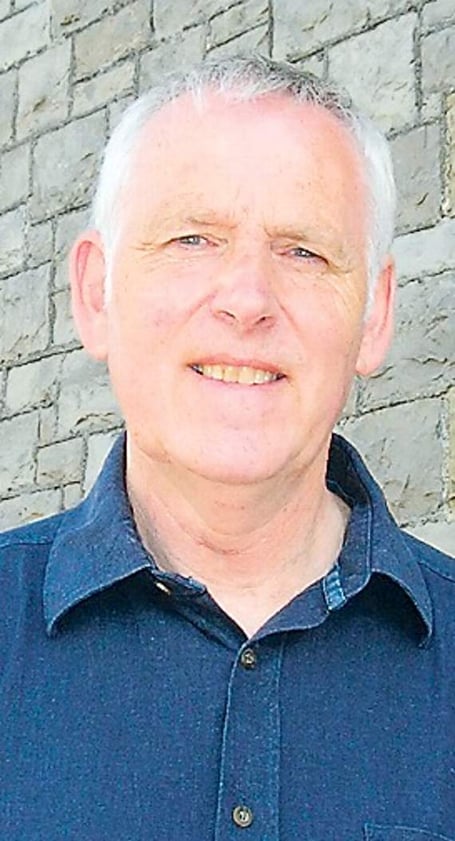
I have no idea if former Education Minister Leighton used ‘threatening rants’ whilst in the cabinet, but if true, it would be rather ironic that the man who accused others of bullying within the Welsh Government was not without blame himself.
The former cabinet minister has claimed there was a ‘toxic’ culture of ‘minor bullying’ within the Welsh Government between 2011-2016. It was reported last week, however, that: “A letter seen by BBC Wales to the first minister in May 2013 complained about Leighton Andrews’s conduct as education minister.” It concerned a meeting with education chiefs about the future of the WJEC exam board.
Whatever the truth of these reports, the irony of the claim reminds me of something Jesus once said to his disciples: “Why worry about a speck in your friend’s eye when you have a log in your own?” The message translation puts it even better: “Don’t pick on people, jump on their failures, criticise their faults - unless, of course, you want the same treatment. That critical spirit has a way of boomeranging. It’s easy to see a smudge on your neighbour’s face and be oblivious to the ugly sneer on your own. Do you have the nerve to say: “let me wash your face for you,” when your own face is distorted by contempt? It’s this whole neighbour road-show mentality all over again, playing a holier-than-thou part instead of just living your part. Wipe that ugly sneer off your own face, and you might be fit to offer a washcloth to your neighbour. Jesus was only too well aware how easy it is to pick on other peoples’ shortcomings, but be blind to our own, often more serious faults. Indeed, we have a fatal tendency to exaggerate their faults while minimising the seriousness of our own. And sadly, when we get really angry with others, we may well be deflecting our attention from the very same faults in our own lives.
Now don’t get me wrong. Jesus wasn’t telling us that we should never criticise anyone’s behaviour. He was not condemning criticism as such. He was simply telling His followers that they should take a good look at their own faults before they tried to highlight the failings of others.




I reckon the best (if most humbling) way to do that is to ask someone to show us our flaws before we begin to highlight other peoples’ weaknesses. After all, a little bit of humility never goes amiss and it can certainly make us better, more sympathetic critics. And it’s worth noting too that Jesus uses the word ‘brother.’ He does this to remind us that He doesn’t want us to behave as judges and hypocrites. If we do have to criticise someone, it should be done within the context of a friendly, caring relationship.
One ancient writer put it far better than I ever could when he wrote: “Correct him, but not as a foe, nor as an adversary exacting a penalty but as a physician providing medicine.”
I get the feeling that we’d all get on a lot better if we were as critical of ourselves as we are of others, and as generous to them as we are of ourselves when we mess up.
Rob James is a Baptist Pastor broadcaster and writer who currently operates as a church and media consultant for the Evangelical Alliance Wales. He is available for preaching and teaching throughout Wales and can be contacted at [email protected]
Comments
We've recently changed our login process. If you have an account for commenting, you will need to re-register on the login window.
This article has no comments yet. Be the first to leave a comment.