

I’m no film buff, but I do have my favourites and Raiders of the Lost Ark is right up there with the best of them. And I’m not alone. Spielberg’s masterpiece has proved one of the top-grossing films of all time, even earning the US Congress’ approval by being included in its National Film Registry because it deemed it ‘culturally, historically, or aesthetically significant.’
Raiders of the Lost Ark is fiction of course but there are times when archaeological fact can prove as exciting as any well crafted story. Take the recent discoveries at el-Araj, a site on the northern shore of the Sea of Galilee in the Jordan River delta. They have raised the possibility that we could have unearthed the home of some of Jesus’ apostles. Now the National Geographic’s Kristin Romey isn’t prepared to go that far but even she is willing to admit that “while the actual discovery is not nearly as sensational as many headlines suggest, the new results are adding very interesting fuel to an ongoing debate about the location of one of the most important cities in the New Testament.” She’s talking about Bethsaida.
Bethsaida certainly figures highly in the New Testament for in addition to being the home town of Peter, Andrew and Philip it was the place where Jesus is said to have healed a blind man and miraculously fed some 5,000 men when all He had at the time was five loaves and two fish. It was also one of the towns that bore the brunt of His frustration because in spite of all He did among them they refused to accept His claims. This is how Mathew remembers it: “Woe to you, Bethsaida! For if the mighty works done in you had been done in Tyre and Sidon, they would have repented long ago in sackcloth and ashes. But I tell you, it will be more bearable on the day of judgment for Tyre and Sidon than for you.”
Historically speaking, Bethsaida simply vanished. According to the Jewish historian Flavius Josephus, King Philip Herod, the first husband of the Herodias who told her daughter to ask for head of John the Baptist on a platter, turned this provincial fishing village into a full-fledged Roman city and in a brazen attempt to butter up the emperor he changed the name to Julias in honour of his mother. But whereas the American explorer Edward Robinson discovered the location of ancient Capernaum in 1866 the location of Bethsaida has remained, and is still somewhat disputed.

But now, in a fascinating development those working on the excavations at el-Araj have unearthed what may well be the remains of an important missing church that the eighth century bishop Willibald (who visited the area) said was ‘built over the house of Peter and Andrew.’
I have no idea if will ever know this for certain but I am sure of one thing: these findings are simultaneously encouraging and challenging because they remind us that the Christian faith is based on the facts of history. Christians know that those who are willing to spend time examining the New Testament soon discover that it is it the best attested book of antiquity, both in terms of the manuscript and the archaeological evidence. But even more importantly, and this is what makes it MUCH more exciting than Harrison Ford’s captivating saga, the New Testament shows us how we can all experience the adventure of an (eternal) lifetime.
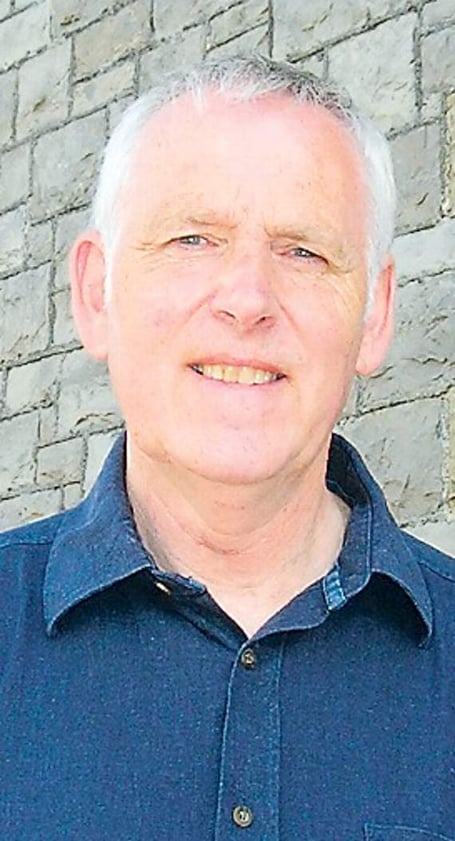
Rob James is a Baptist Pastor broadcaster and writer who currently operates as a church and media consultant for the Evangelical Alliance Wales. He is available for preaching and teaching throughout Wales and can be contacted at [email protected]
Comments
This article has no comments yet. Be the first to leave a comment.