

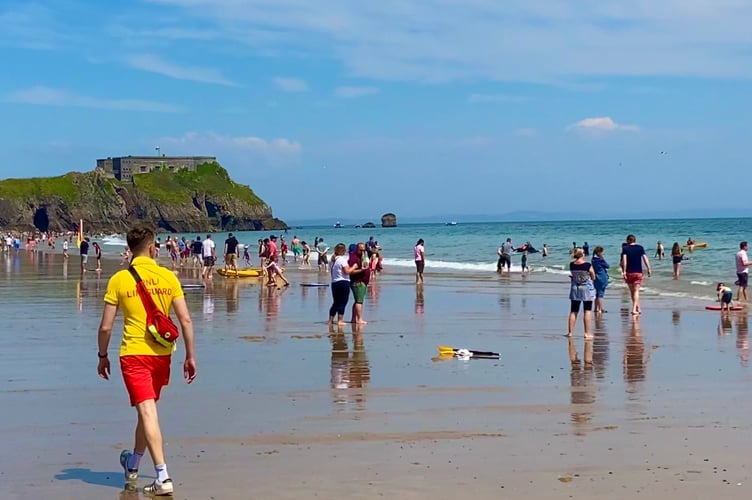
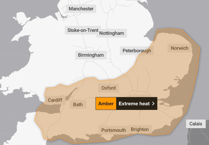
With the Met Office amber and red weather warning for extreme heat across Wales, the RNLI is urging people heading to the region’s coastline to visit a lifeguarded beach and follow essential water safety advice that could save lives.
Offshore or partially offshore winds are forecast across sections of the Welsh coast for periods of the week, which increases the risk of inflatables and stand-up paddleboards being blown away from shore. The RNLI is urging coastal visitors to be mindful of the risks as visitors are expected to flock to popular beaches and coastline across Wales.
Ross Macleod, RNLI Water Safety Manager said: “With another hot weekend on the way, we are urging families across Wales to talk about the dangers of swimming and jumping into the sea with younger family members and friends.
“The charity continues to highlight key risks such as cold water shock, which remains a danger even during hot weather.



“Cold water shock is a real danger, which we particularly want people to be aware of. The sea or open water may look inviting during hot weather, but it remains cold enough year-round to trigger cold water shock, which can cause uncontrollable gasping, increased heart rate, and can lead to panic and drowning very quickly. It’s best to enter the water slowly to gradually acclimatise.
“Anyone who finds themselves in danger in the water should fight the panic instinct and Float to Live – try to relax and float on their back, with head tilted back, gently moving their hands and legs to help them stay afloat. This buys valuable time to get your breathing back under control, before then calling for help or swimming to safety.”
The RNLI is also appealing to people to share its water safety advice with family and friends, particularly young people and teenagers, who accounted for the majority of drowning fatalities during the last heatwave.
And it was during the last heatwave that volunteer crew from Borth RNLI rescued a girl who’d drifted out to sea on her bodyboard and was unable to return to shore. The crew praised the girl for staying calm and remaining with her bodyboard, which helped her stay afloat until help arrived from the lifeboat.
The charity is reminding the public that the safest place to swim is at a lifeguarded beach and to always swim between the red and yellow flags.
A number of Welsh beaches across the Vale of Glamorgan, Bridgend, Swansea, Pembrokeshire, Ceredigion and Denbighshire are now lifeguarded full time.
Chris Cousens, RNLI Regional Water Safety Lead said: “We know how attractive our coastline is during warm weather, but the safest choice is always a lifeguarded beach. Our lifeguards are there to spot dangers you might not be able to see and respond quickly if something goes wrong.
“Lifeguarded beaches offer the highest level of safety, but it is vital people are aware that RNLI lifeguard patrols do not operate 24/7. At RNLI lifeguarded beaches, cover ends at 6pm, and after this time there is no immediate on-beach response if someone gets into difficulty.
“If you’re planning an evening swim or staying late, we strongly encourage you to think carefully about the risks and avoid entering the water once RNLI lifeguards have finished patrolling.”
By choosing lifeguarded beaches, being aware of patrol times, and sharing water safety advice, the RNLI hopes everyone can enjoy the Welsh coast safely this summer.
You can find your nearest lifeguarded beach here: https://rnli.org/find-my-nearest/lifeguarded-beaches
Comments
This article has no comments yet. Be the first to leave a comment.