
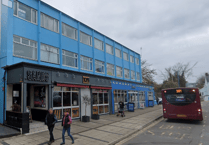
Development groups in Tenby and Saundersfoot, encouraged by the tremendous turnout at their recent first public meeting, are pressing ahead with plans to redevelop under-utilised and derelict sites in their communities.
More than 80 people from Tenby, Saundersfoot, Cresselly, Stepaside, Narberth and Pembroke Dock attended the inaugural open meeting in New Hedges at the end of last month.
They came not only to hear about the groups' aims, but also to input their own ideas. The meeting also featured the views of one of the UK's leading exponents of development trusts, Mr. Alan Caldwell, who had come from Comrie in the highlands of Scotland especially to inform the meeting just what could be achieved by development trusts and how to put ideas into practice.
Mr. Caldwell, who spent the weekend in Tenby on a fact-finding mission, also met representatives of Pembrokeshire County Council and the National Park, including Mr. Tegryn Jones, who is soon to take over as chief executive from Nic Wheeler. Officers from Planed and local business people also met Mr. Caldwell on a one-to-one basis earlier in the day.
"It was a tremendous turnout," said Mr. Caldwell. "I really got a feel for Tenby and Saundersfoot and I certainly could not have found out so much about the problems and the aspirations without these meetings. They underlined the desire of people living in the area that something should be done to get things moving and make use of under-utilised and derelict sites," he added.
Paul Cowper, chair of the Tenby group, felt that the "strong feedback from the meetings was that there was an overwhelming welcome for a group of people who were not content with talking about ideas and making up wish lists, but were prepared to do something practical and positive."
Clr. Phil Baker, chair of the Saundersfoot group, agreed.
"I, too, was delighted with the turnout and the very positive theme throughout the series of meetings we held. Now is the right time to press ahead with our plans and to make a real difference in our communities."
There were many ideas that came from those who attended the evening meeting. These included refurbishing existing buildings which have fallen into decay so that they can be used by local people either as residences or as business premises.
During the meeting, the audience heard about how development trusts are an ideal mechanism to get things done, especially in cash-strapped times, and bring an economic and cultural boost to towns.
Mr. Caldwell took the opportunity of demonstrating how change had come to Comrie, how the town and the surrounding area had taken charge of its own destiny.
Comrie, Mr Caldwell explained, is not an isolated example. There are over 400 development trusts in the UK, 38 of them in Wales, including ones in Clydach and Gorseinon, near Swansea, and Caernarfon in North Wales.
These communities, the meeting was told, had breathed new life into derelict industrial sites and empty shops in the main street. Gorseinon has a thriving crèche, office space to rent, and a conference centre, all of which bring revenue into the area.
"I am convinced," said Mr Caldwell, "that both communities in Tenby and Saundersfoot will become very successful development trusts."
To underline Mr. Caldwell's sentiments, both trusts are still looking for people with the right skills to join in, email:- [email protected]">[email protected]
Comments
This article has no comments yet. Be the first to leave a comment.