

AHEAD of the Senedd election in May, The Salvation Army is calling on political parties to prioritise homelessness prevention as data shows hundreds of vulnerable patients discharged from Welsh hospitals with ‘no fixed abode’.
New Welsh Government statistics published for Apr-Sep 2025 confirm that homelessness in Wales remains stubbornly high despite some improvement, with single people increasingly vulnerable.
The number of homeless households that councils must help secure accommodation for was 5,556, a welcome reduction compared to the same period in 2024. However, single people are particularly vulnerable, making up 73 per cent of that number.
The Homelessness and Social Housing Allocation (Wales) Act was recently passed by the Senedd. The Act requires public services, including Health Boards, to ask about a person’s housing situation and act if they are at risk of homelessness. This means identifying problems early and providing practical help to prevent people losing their home.
Worrying data obtained by the church and charity showed vulnerable patients discharged from Welsh hospitals with ‘no fixed abode’ on 318 occasions between April 2024 and March last year.
All health boards in Wales responded to Freedom of Information requests. A report compiled from those responses showed:
- Every day (28 hours) in Wales someone was discharged from hospital into homelessness or unsuitable accommodation. In 2024/25 there were 318 discharges recorded as ‘no fixed abode’.
- More than half (51 per cent) of discharges to ‘no fixed abode’ for which times were provided took place outside working hours (9am–5pm). Of these, 45 (17 per cent) happened at the weekend when services are often less accessible.
- In 2024/25, there were 1,655 occasions where people attended A&E with ‘no fixed abode’. At today’s prices that would mean a cost of £189,000 to the NHS assuming this type of hospital visit requires the lowest level of investigation and treatment (NHS data The King's Fund).
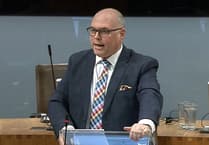
Andrew Connell, The Salvation Army’s homelessness policy lead for Wales, said:
“We want the new ‘ask and act’ duty contained in the Wales Housing Act to be properly implemented and resourced. This really is urgent, as our FOI data plus the latest Welsh Government statistics show. The Salvation Army is one of the UK’s largest providers of homelessness services and we know from experience the best way to eradicate homelessness is to prevent people reaching crisis point.
“Discharging someone when they might not have secure accommodation increases the risk of sleeping rough, puts their health and recovery in jeopardy and means they are far more likely to relapse, become unwell or end up back in hospital.



“Many people who come to our homelessness services in Wales aren’t registered with a GP. We supported 82 per cent of residents to register across our services in the past 12 months, that's 446 people. However, people experiencing homelessness all too often rely on A&E for minor health needs. Implementing ‘ask and act’ will help prevent homelessness and ease pressure on the NHS.”
Comments
We've recently changed our login process. If you have an account for commenting, you will need to re-register on the login window.
This article has no comments yet. Be the first to leave a comment.