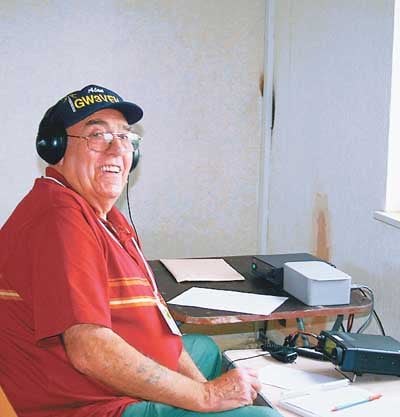
RAYNET, the Radio Amateur Emergency Network, was set up in the early 1950s during the East Anglia floods, when all communication totally broke down. However, it was thought that the introduction of the mobile phone would see the end of RAYNET, but the Lockerbie air crash and the Sea Empress oil spill showed that there was still a need for RAYNET. t The Sea Empress disaster was the biggest ever RAYNET call-out, with 39 volunteer operators being used over a three-week period, to provide communication between the beaches, County Hall, the coastguard at Milford, and the command distribution centre at the Salterns in Tenby. RAYNET was called out after it was found that mobile phones could not cope with the amount of communication traffic, and would not work on some of the beaches. With out a doubt, Pembrokeshire RAYNET helped shorten the time it took to clean the beaches by making sure that the right equipment was in the right place at the right time. Members of Pembrokeshire RAYNET have already given radio communication cover this year to Tenby and Saundersfoot Lions horse ride, plus the Lions' bike ride. They also took part in the International Lighthouse/Lightship Week at St. Ann's Lighthouse along with members of the Cleddau Amateur Radio Society, and still have several more events to come before the end of the year. To find out more about Pembrokeshire RAYNET, just visit their website at http://www.pembrokeshireraynet.org.uk">www.pembrokeshireraynet.org.uk, or if you are interested in finding out more about amateur radio, see the Cleddau Amateur Radio Society website at http://www.cleddau-ars.org.uk">www.cleddau-ars.org.uk.