

A Welsh tourism attraction operator has launched a scathing attack at the Welsh Government’s policies and proposals to introduce a ‘visitor levy’ for Wales - labelling those behind them as ‘loony left-wing’ living in a ‘fantasy world’ - as the country’s tourism sector still tries to recover following the pandemic.
Wales’ Minister for Finance and Local Government, Rebecca Evans, confirmed this week plans for a ‘Tourism Tax’ in Wales are proceeding and legislation enabling local authorities to introduce a levy in their areas will be put to the Senedd within this Government term.
The levy will be a small charge paid by people staying in commercially-let overnight visitor accommodation.
However, a recent Welsh Association of Visitor Attractions (WAVA) survey showed that 47% of WAVA members saw less visitors in 2022 compared to the 2019 pre-Covid season, and that 60% of members were pessimistic about the coming season.


-cropped_cropped.jpeg?width=209&height=140&crop=209:145,smart&quality=75)

The recent February half term was also disappointing for attractions that opened with 29% indicating they had less visitors than in 2022.
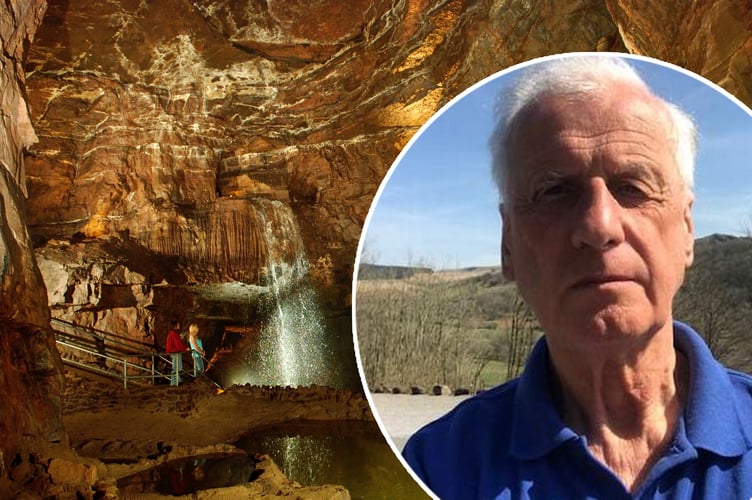
Ashford Price, Chairman of ‘Dan Yr Ogof’, The National Showcaves Centre for Wales has now criticised the Welsh Labour Government, stating that their actions has seen the Welsh tourist industry transformed into a shadow of its former self.
“The results from over 100 of the leading attractions in Wales should ring alarm bells within the Welsh Government as it shows less visitors are coming into parts of Wales,” connented Ashford.
“Welsh tourism is still trying to recover from the pandemic, and many operators are paying back loans related to Covid.
“What is not helping Welsh tourism recover is the current Welsh Government’s tourism policies as they appear to be based on a ‘loony left-wing fantasy world,’ where tourists are seen as an ‘unwelcome necessity’ and therefore in the future they should pay for visiting Wales via a ‘Tourism Tax.’
“Amazingly no research has been done relating to what damage this tax will do to the Welsh tourism industry,” he continued.
“The self-catering sector in Wales has always been regarded as the ‘jewel in the crown’ of Welsh tourism owing to its very high standards and the amount of repeat business it generates for Wales. However, this sector has been singled out for their special ‘loony’ treatment.
“As intended their 182 day booking law will force many operators out of business and many will put their properties up for sale. However, most of these properties are in seaside hot spots, or situated in idyllic rural locations. Once these properties are on the market the Welsh Government thinks that they will be purchased by first time local buyers.
“However, this is another ‘loony idea’ as it is estimated that many of these properties will sell for well over £350,000, which is well out of the reach for most young couples wanting to buy their first home.
“Also, even if young people do manage to buy a £350.000 plus property how many will have the salaries to pay their monthly mortgage repayments as most of these properties are in areas where seasonal tourism is the only industry and means of employment?
“Who then are the most likely purchasers of these high-priced properties? Probably ‘incomers’ from across the border.
“Why don’t our Welsh councils just build more starter homes for young people which are desperately needed?” continued Ashford who has been in Welsh tourism since 1964. During his period at Dan Yr Ogof the caves have won over 50 tourism/environmental awards, and Dan Yr Ogof is now the largest showcaves complex in Northern Europe, with also has the world’s largest dinosaur park.
“Incidentally, no other country in Europe including ‘communist regimes,’ has a booking requirement that is so high, and which will result in only 20% of self-catering businesses reaching the Welsh Governments target,” he remarked.
“1,200 Welsh family businesses are forecast to close owing to this law, and the Welsh Government must bear full responsibility for destroying peoples hopes and livelihoods.
“The Welsh Government have encouraged and given grants to many farmers to diversify into tourism. Many farmers were advised that self-catering was the way forward.
“However, farmers who have diversified into self-catering on their farms will be amongst the hardest hit.
“Their short tourist season will make it near impossible for many to get anywhere near the 182 days of required bookings, thus they could be facing huge rate increases making their accommodation unviable.
“Where is the Government’s ‘loony logic’ in promoting a diversification scheme only to then make it impossible for it ever to be a success?
“If the above was not enough for the Welsh tourism industry to bear, we now have more ‘loony left’ proposals - their motto being ‘let’s make Wales different to England’- No new roads, M4 Newport relief road scrapped after spending 135 million, proposed 20mph speed limits, and four day working week trials!
“Another ‘let’s be different’ proposal is that Welsh schools should reduce the number of weeks holidays in the summer from 6 weeks down to 4 weeks. This is based on the assumption that the less academic forget past lessons due to these longer holidays.
“This proposal is not supported by the teaching profession. Also, no analytical educational research has been done to support their theory, or what damage this policy will do to Welsh tourism. Many attractions earn 40% of their entire yearly incomes in these vital six trading weeks.
“The new ‘Tourism Doctrine’ now flowing out of Cardiff is that expert tourism advice should be ignored, and that politicians with no background knowledge of tourism must be trusted to create a unique ‘Tourism Utopia’ in Wales.
“This Utopian vision appears to be based on Wales getting fewer tourists, less accommodation being available, a shorter summer season, and the Welsh tourist industry transformed into a shadow of its former self.
“However, their fantasy ideology will only flourish if holiday makers who come mainly from England are then made to ‘feel truly welcome,’ and are prepared to pay ‘extra taxes’ to visit Wales in the future.
“Another unknown factor is whether tourists will even be able to locate enough holiday accommodation for their stay in Wales from the remnants of a once flourishing Welsh self-catering industry,” he added.
Comments
This article has no comments yet. Be the first to leave a comment.