
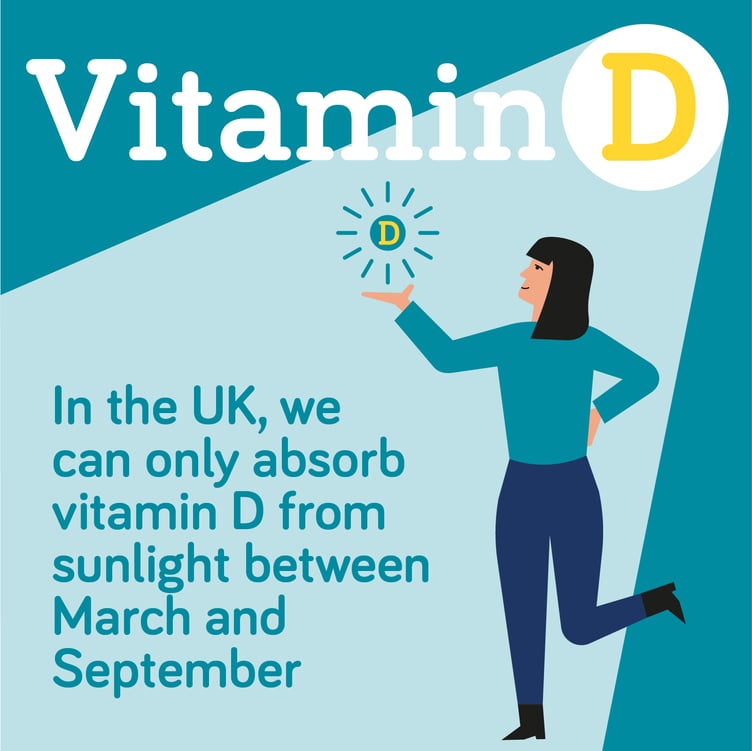
AS the days grow shorter and sunshine becomes a rarer sight, many of us start thinking about supporting our health through the winter months. While we often focus on boosting our immunity in a season of common coughs and colds, there's an essential nutrient that the Royal Osteoporosis Society say also deserves a place on your winter wellbeing checklist: vitamin D.
Often called the “sunshine vitamin”, vitamin D plays a vital role in keeping our bones and muscles strong. Yet during the winter, obtaining enough of it becomes more challenging, making it especially important to pay attention to our levels.
Kirsty Carne, Specialist Osteoporosis Nurse at the Royal Osteoporosis Society, explains:
“Vitamin D is important because it helps your body absorb and use calcium, keeping bones and muscles strong. While many people can get enough vitamin D from sunlight during the summer months, from the end of September to the beginning of April everyone should consider taking a daily vitamin D supplement. This is because the sun in the UK isn't strong enough at that time of year for our bodies to make sufficient vitamin D.”
Why vitamin D matters in winter
Without enough vitamin D, our bodies can't make the most of the calcium we consume through food and drink. Strong bones aren't something we build overnight. They're maintained by the small choices we make consistently over time, and ensuring adequate vitamin D is one of the simplest ways to support your long-term bone health.
As we get older, keeping our bones healthy becomes increasingly important. Supporting bone and muscle strength today can help us stay active, independent and confident in the years ahead.
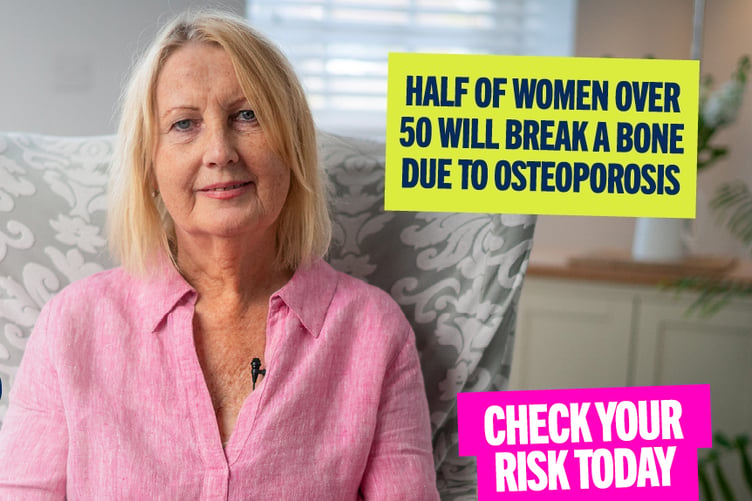
One in two women and one in five men over the age of 50 are expected to break a bone because of osteoporosis, making good bone health a priority for all of us, particularly as we get older.
Getting enough vitamin D is important for everyone, and health experts recommend that we should all consider taking a daily vitamin D supplement during the winter months to help maintain healthy levels. This can be particularly relevant for people living with osteoporosis or those looking to reduce their risk of future fractures.




Most adults need 10 micrograms (400 IU) of vitamin D each day, an amount that can be difficult to achieve through food alone. A simple daily supplement can help bridge the gap when sunshine isn't available.
Some people may benefit from taking vitamin D supplements all year round, particularly those who spend little time outdoors, cover most of their skin when outside, have darker skin, or are pregnant or breastfeeding.
Can food help?
Although it's difficult to get enough vitamin D through diet alone, certain foods can make a useful contribution.
Sources of vitamin D include:
- Oily fish such as salmon, mackerel and herring
- Eggs
- Red meat
- Fortified foods including some breakfast cereals, yoghurts and breads
A healthy, balanced diet remains important for overall bone health, but during winter it’s best viewed as part of the solution rather than the whole answer.
Your winter bone-health checklist
This winter, try to:
✓ Consider taking a daily vitamin D supplement
✓ Include calcium and vitamin D-rich foods in your diet
✓ Stay active with regular impact exercise such as brisk walking
✓ Keep bone health on your wellbeing radar, even when sunshine is in short supply
Just because summer has ended doesn't mean your bone health should take a back seat. Winter is the perfect time to take simple steps that will support your bones and muscles all season long. A daily vitamin D supplement may be a small addition to your routine, but it can make an important contribution to keeping your bones strong and healthy throughout the darker months.
For more information about vitamin D, osteoporosis and keeping your bones healthy, visit theros.org.uk .
Comments
We've recently changed our login process. If you have an account for commenting, you will need to re-register on the login window.
This article has no comments yet. Be the first to leave a comment.