

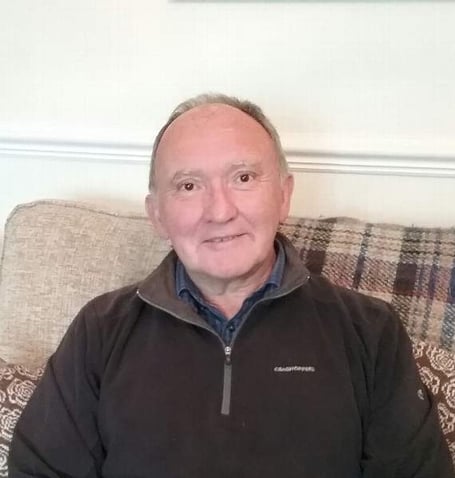
Tenby stroke survivor Dr. Kim O’Doherty (pictured) is one of the thousands of people in Wales living with communication difficulties after a stroke.
As a GP, being able to clearly communicate with patients was vital to Kim, so not being able to speak after his stroke changed his life in an instant.
Kim said: “On the day of my stroke, my heart rate went up to 380 beats within minutes and I had a blockage in the artery to my brain. For two years afterwards, I found it very hard to speak or understand other people speaking.”
Since the stroke, Kim has had support off both the Stroke Association and a private speech therapist to help him in his struggle to express himself.



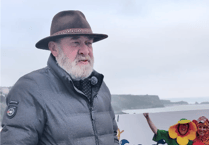
Kim added: “Over the past few months, I’ve really improved. I have great support from the Life After Stroke co-ordinator from the Stroke Association who comes over each fortnight and makes suggestions on how to improve my speech. Now I’m becoming much more active and getting on with what I can do, like walking, fishing and building a polytunnel. I’m enjoying my retirement.”
The Stroke Association’s Lost for Words campaign aims to raise awareness of the challenges stroke survivors with communication difficulties can face, and help and support available.
Ross Evans, interim-director of the Stroke Association in Wales, said: “After a stroke, around one in three people like Kim have difficulty communicating, which can be both terrifying and isolating. But with the right help and support, many stroke survivors are able to find new ways to communicate, and can rebuild their lives.”
More than 20,000 people in Wales have aphasia, a communication disability which can be caused by stroke. The Stroke Association is urging people to show their support for stroke survivors who are lost for words and make a donation.
For more information, visit www.stroke.org.uk/lostforwords
Comments
We've recently changed our login process. If you have an account for commenting, you will need to re-register on the login window.
This article has no comments yet. Be the first to leave a comment.