

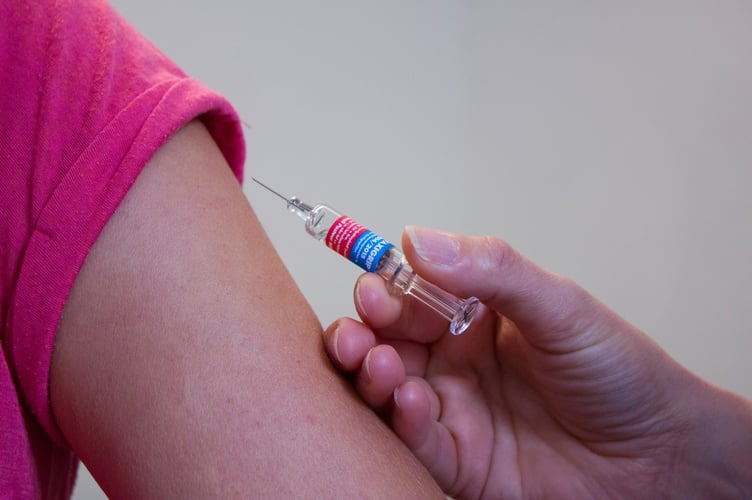
NEW information from a study* shows that the influenza vaccination this year offers significant protection and is particularly effective against hospitalisation among 2-17 year olds.
This year is seeing significant numbers of cases of flu in all age-groups, but currently especially in children and adolescents, and so the evidence that the vaccine has high effectiveness in this group is really positive news.
The study, which was carried out in Wales, Scotland and Northern Ireland showed this year’s vaccine is 72 per cent effective in 2-17 year olds, and 34 per cent effective in adults aged 65 years and older, in preventing hospital admissions with confirmed flu.
The study’s findings are consistent with a previous study carried out in England by the UK Health Security Agency (UKHSA), showing 74 per cent effectiveness against hospitalisation in 2-17 year olds, 39 per cent effective for adults aged 65 and older and 33 per cent effective for adults aged 18 to 64 years.




Parents should be aware that even if their child wasn’t vaccinated when the immunisation teams came to their school then it’s not too late, they can still get their child protected in time for Christmas. Go to the Public Health Wales website to find out how to access vaccination in your area.
Flu vaccination is one of the best ways to support people with long-term health conditions, helping prevent illness, catch problems early, and make sure care meets people’s needs.
Winter Well-being: Practical Actions
Public Health Wales’ Winter Well-being: Shared Actions and Impact report outlines seven simple ways people can stay safe:
• Make a winter plan: Know what to do if symptoms worsen; keep heating, medication and emergency contacts in order.
• Prepare a small emergency kit: Torch, radio, phone power bank, bottled water.
• Keep warm at home: Heat lived-in rooms to at least 18°C, wear layers and eat warm meals.
• Know where to get care: Use NHS 111 online, community pharmacies, and order prescriptions early.
• Stay connected: Cold weather increases loneliness—check in on neighbours, friends and family.
• Reduce infection risk: Hand washing, ventilation, catching coughs, staying home when unwell, mask-wearing when appropriate.
The importance of vaccination
• Flu, COVID-19 and RSV vaccines are the most effective tools in preventing severe winter illness.
• Immunity from previous flu vaccination reduces over time, this year’s flu vaccine is updated to match circulating strains, including H3N2.
• Protection develops within 14 days, so early uptake is vital.
Who is at higher risk?
• Older adults and residents of care homes are historically at the highest risk of the influenza A(H3) strain, which is currently circulating in Wales.
• People with long-term conditions such as respiratory disease, diabetes, heart disease, and weakened immune systems.
• Adults with chronic liver disease are 48 times more likely to experience serious flu outcomes than the rest of the population.
• Those with weakened immune systems face a 45-fold increased risk compared to the general population.
*The study, led by Public Health Scotland, is a combined study of influenza vaccine effectiveness which is conducted in Wales, Scotland and Northern Ireland. It included 1,379 cases of influenza and 12,364 controls, sampled from week 40 to week 47.
Comments
This article has no comments yet. Be the first to leave a comment.