
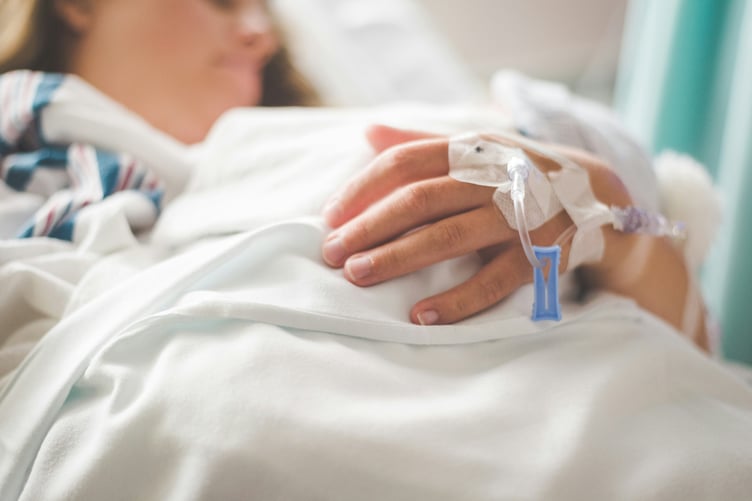
WHAT was expected to be a 48-hour hospital stay became seven weeks of treatment for Harriet Davies after antibiotics failed to improve a serious abdominal infection.
The 37-year-old developed an abscess following emergency surgery for a ruptured appendix while on holiday in France. Unable to safely drain it, doctors changed her initial antibiotic treatment when her condition failed to improve.
After further hospital care, Harriet was discharged with a six-week course of antibiotics. However, she suffered a severe reaction during the fifth week, causing liver injury and dangerously low white blood cell levels, which required another hospital admission.
Harriet is sharing her experience during World Antimicrobial Resistance Awareness Week ( November 18–24) to highlight the importance of effective antibiotics. Public Health Wales is encouraging people to take antibiotics only as prescribed, never share or save them, and return unused medicines to a pharmacy.
Harriet said: "When my infection wasn't improving with the initial antibiotics, I needed a different treatment and a much longer course of antibiotics than expected. That carried serious risks of its own and ended up causing me to become very unwell again.
"Before this happened, I had no previous health issues. I never expected to become so ill or need such a long course of treatment. My experience taught me how much we rely on effective antibiotics and why it's so important to protect them for the future."
Antibiotic resistance occurs when bacteria no longer respond to medicines designed to treat them, making infections harder to treat and potentially leading to longer illnesses, hospital stays and serious complications. Antibiotics are also vital for surgery and cancer care, making it essential to protect their effectiveness.
Dr Nicholas Reid, Consultant Antimicrobial Pharmacist at Public Health Wales, at Public Health Wales, said: " When antibiotics don't work as expected, people may need alternative treatments or longer hospital care. Protecting their effectiveness is vital, not just for treating infections but also for procedures such as surgery and cancer care.
"Everyone has a role to play, alongside continued work across healthcare, animal health and the environment, to prevent infections and tackle antibiotic resistance."
Nerys Evans, Deputy Minister for Public and Preventative Health, said: "Antimicrobial resistance is one of the biggest threats to global health, and Harriet's experience shows what is at stake when treatments stop working as they should. Antibiotics underpin so much of modern healthcare, from routine surgery to cancer care.




"Wales is working with the other UK nations on our shared national action plan, and tackling this means acting across human health, animal health and the environment. But everyone can play a part. This Antimicrobial Resistance Awareness Week, I would encourage people to take antibiotics only as prescribed and to return any unused antibiotics to their local pharmacy."
There are practical steps everyone can take:
- Only take antibiotics prescribed for you and follow your healthcare professional's instructions.
- Remember that antibiotics do not treat viral infections such as colds and flu. Never share antibiotics or save leftovers for another illness.
- Return unused or expired antibiotics to your local pharmacy.
- Keep up to date with recommended vaccinations to help prevent infections.
You can find more information on the Public Health Wales website.
Comments
We've recently changed our login process. If you have an account for commenting, you will need to re-register on the login window.
This article has no comments yet. Be the first to leave a comment.