

After calling for a full audit of data used to decide on the ‘viable’ size of an a-level class the figures have been reduced by three.
Clr. Mike Stoddart pushed for the full review following doubts over accuracy and ‘mathematical errors’ which were identified late last year.
The figures had been used to identify 18 as the guideline number of students required to make an a-level course financially viable, as stated in a memorandum of understanding between Pembrokeshire County Council and Pembrokeshire College.
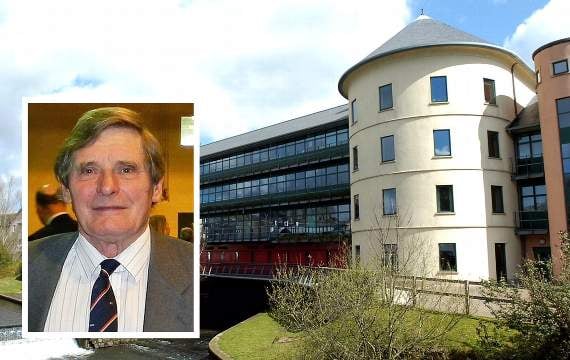
A report of the audit was brought to the schools and learning overview and scrutiny committee at County Hall on April 26.



Richard Edwards, principal finance and transformation officer said that all figures and calculations had been audited and a “consistent approach and revised processes” were now in place.
Clr. Stoddart said the latest figures were £1million lower than previously reported, reduced to £3.9million.
“We’ve got every right to ask how on earth thee figures became part of a very important document in the first place,” he said.
Mr. Edwards said the new figure was due to the correction of mathematical errors and changes made to the inclusion of some fixed costs which would be incurred by a school if they had a sixth form or not.
The business managers of the county’s eight school had held a number of meetings to calculate their schools figures and ensure consistency in approach the committee were told.
But concerns remained about the process.
“It’s my belief is that’s not far away that schools will be told you have to have 15 to run an a-level. I still think there’s a massive piece of work to be done on these figures,” said Clr. Mike Evans, adding that a sixth form’s added worth to a school is not considered.
The committee noted the officer’s report and agreed the new guideline figure of 15, with their concerns and comments to be included.
Comments
This article has no comments yet. Be the first to leave a comment.