
Members of the public will get the opportunity to ask questions at council meetings, if a proposal put forward by local councillor, Jacob Williams, proves successful.
The two-page Notice of Motion titled 'Public Question Time' was submitted by the member for East Williamston at yesterday's meeting of Pembrokeshire County Council.
The proposition calls for 30 minutes to be set aside at the beginning of every meeting of all 60 councillors, to allow members of the public to ask questions of the council leader, his cabinet members, or committee chairs, on issues affecting the county or which the council has control over.
Clr. Williams says the provision, which is encouraged by the 2011 Wales Local Government Measure, would involve and engage the public with those who work on their behalf.
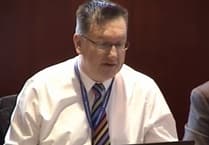

"I think the inclusion of the public is something we should be promoting, not discouraging, and that's why I've specifically drafted my motion to allow speakers to read out their questions at meetings themselves, rather than having to rely on somebody else putting their question on their behalf," he told the Observer.
As is the constitutional process for newly-submitted motions to follow, 'Public Question Time' has been referred for deliberation, and will come back to a future meeting of full council for debate and determination.
Clr. Williams says that councillors would be 'naïve' to think that they can always come up with the best questions all of the time, and says that his proposal has the potential to further the debate on issues that matter to councillors as well as the public: "Full council only meets five times per year as it is, so this is not a hugely demanding proposal I'm putting forward, it's a valuable opportunity us councillors should be grasping with both hands."
Under the proposal, members of the public will also be allowed to ask one follow-up question, which is the same provision given to councillors, and something Clr. Williams says is important to keep things on a level playing field: "One public perception is that the council sees external involvement as a hindrance, so if my proposal gets voted in when it comes back to full council in a few months, it will provide a unique platform to keep the county's decision-makers in check, and let them know if they're seen to be doing things wrongly or rightly."
A similar proposal which was put before the council in 2006 was voted down 16-36, but Clr. Williams is undeterred: "I'd like to think that with two elections under the bridge, attitudes have changed in the council chamber since then. I'm under no illusion that those who are likely to be on the receiving end of public questions could be thinking up a million reasons right now as to why my proposal should go down the pan, but let's cut to the real issue here - if senior councillors are seriously afraid of the pressure Mrs. Jones or Mr. Davies might put them under at five council meetings per year, then are they in the right job? They get a tidy pay packet for their troubles on our behalf, so for councillors to support this proposal, I think, is a must."
Comments
This article has no comments yet. Be the first to leave a comment.