
Sir,
Enclosed are two photographs of Amroth, one showing storm damage about 100 years ago, before the groynes were built, and the second, taken approximately 50 years later, showing the beautiful expanse of clean sand with the small boulders piled high at the top of the tide's reach. This is what the groynes do to protect coastal erosion.
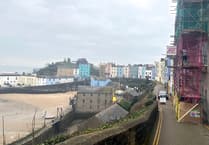
Each day the South Beach at Tenby deteriorates. It is hard to imagine that horses used to be galloped right up to Giltar Point, something that could not be done today because of the boulders strewn about the beach.
Since the removal of the groynes at Giltar, thousands of tons of sand has drifted round the Castle Hill and has become deposited on the North Beach and Harbour, Waterwynch and Monkstone beaches. The sand now being removed from the Harbour is full of oil and is being dumped at the end of the North Beach. Much of this oil contamination being due, apparently, to Tenby placing the boom across the Harbour AFTER the oil entered at the time of the Sea Empress disaster. All this dredging is admirable, but, on the next incoming tide, as seen from the North Cliff, the sand and oil seems to move back towards the Harbour!

Health and Safety plays a big part in our lives today, but we wonder where the authority is when, this week, being half-term, children are seen up to their necks in this polluted water!
Local councillors say that the beaches are Tenby's life-blood, but, unless some action is taken soon, then this attraction will have gone.
G. R. Hughes,
Squibbs Studios, Tenby.