

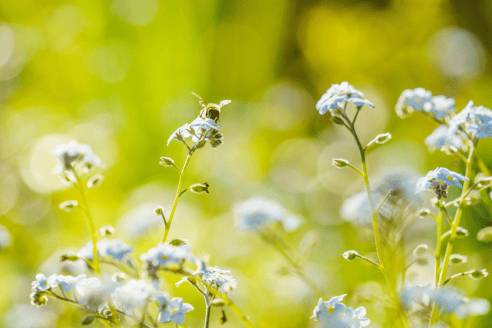
Carmarthenshire County Council highways crews have begun their annual programme of roadside grass cutting to maintain road safety while protecting important habitats.
As part of the Council’s commitment to biodiversity, cutting will again be carried out selectively. In most areas, grass will be cut in one-metre swathes where growth is affecting visibility or pedestrian safety. Many verges will be left uncut until later in the season to allow wildflowers to bloom and set seed.
Across much of Carmarthenshire, roadside grass and wildflowers will remain untouched to support local wildlife and vital pollinating insects.
Cutting in these areas will only take place where there are clear health and safety concerns, particularly in 20–40mph zones within towns and villages.

The Council is also reminding residents that hedges, and boundary trees are the responsibility of adjacent landowners. These should be regularly inspected and maintained, as overgrown vegetation can impact road safety, especially at junctions and bends where visibility is essential.
Pollinating insects play a crucial role in sustaining ecosystems by enabling the reproduction of wild plants, which form the foundation of many habitats. They are also vital to the production of a wide range of crops.
Managing land for wildlife also provides opportunities for residents, community groups and schools to get involved, delivering benefits for both nature and people.
Carmarthenshire County Council’s Cabinet Member for Climate Change, Decarbonisation and Sustainability, Cllr Aled Vaughan Owen, said: “The County Council has a responsibility to maintain road safety for all users, ensure visibility, and provide safe space for pedestrians where there are no footways, while also protecting biodiversity.
“Our grass verge cutting programme is carefully managed to strike this balance. We focus on cutting only what is necessary, with most areas receiving a one-metre swathe cut where visibility or safety is affected, while allowing other areas to flourish and support native species.”
For more information and ideas on how to support local conservation, visit the Council’s biodiversity webpages.
Comments
This article has no comments yet. Be the first to leave a comment.